
What Is DJ Stent Removal?
Safe & Comfortable DJ Stent Removal at Sarkar Hospital, Agra
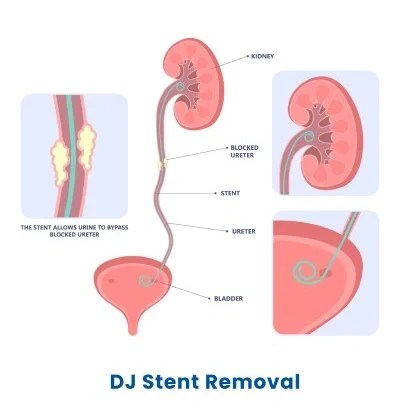
A Double J (DJ) stent is a thin, flexible plastic tube temporarily placed in the ureter (the tube connecting the kidney to the bladder). It helps maintain urine flow, prevents ureteral blockage or stricture formation, and is commonly used after kidney stone surgery or other urological procedures.
The procedure used to remove this stent is known as DJ stent removal or cystoscopic stent removal. At Sarkar Hospital, Agra, DJ stent removal is performed safely and comfortably by experienced urologists using modern equipment.
How Is a DJ Stent Removed?
Before, During & After the Procedure
The patient is advised to drink plenty of water before the procedure.
No major preparation is usually required.
In most cases, hospitalization is not needed.
During DJ Stent Removal
There are two commonly used methods, depending on the type of stent placed and patient condition:
1. Cystoscopic DJ Stent Removal
Local anesthesia is applied at the urethral opening.
A cystoscope (thin tube with a camera) is gently passed through the urethra into the bladder.
The stent is visualized and carefully removed.
The procedure is quick and usually completed within a few minutes.
2. String-Assisted Stent Removal
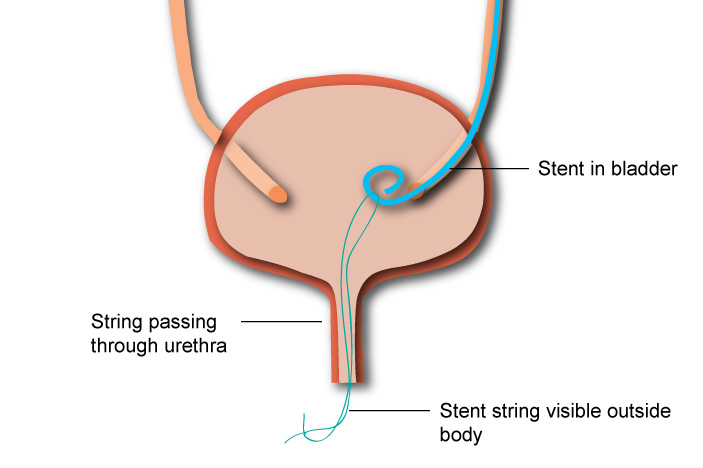
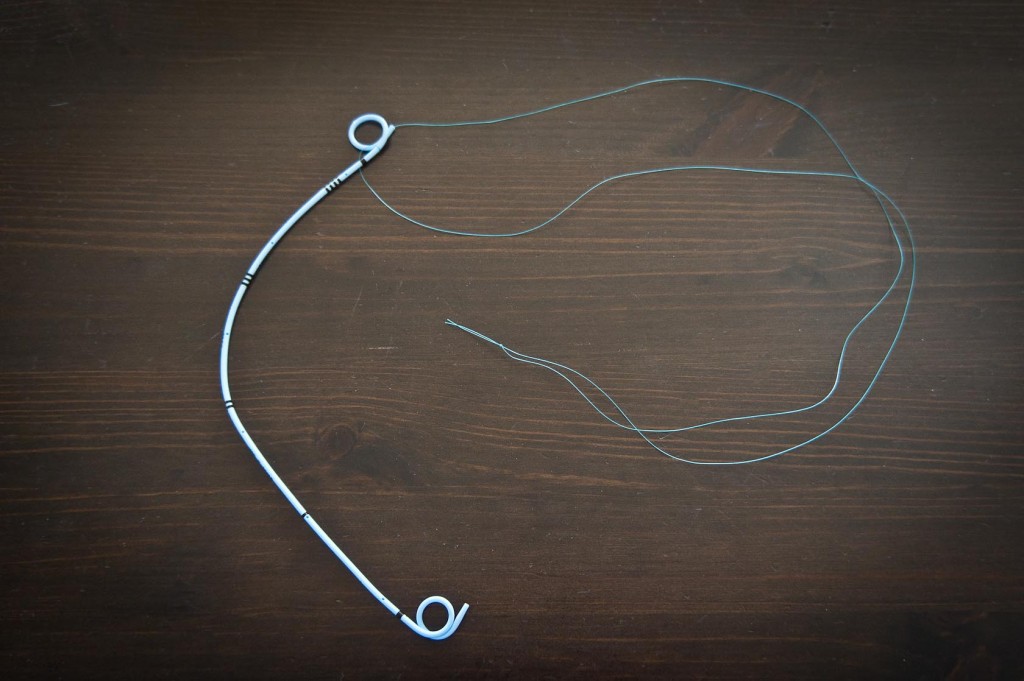
Some stents have a string attached.
Under medical guidance, the stent can be gently pulled out using the string.
This method is only advised when clearly instructed by the doctor.
At Sarkar Hospital, the safest and most appropriate method is chosen for each patient.
After DJ Stent Removal
Drink adequate water to flush the urinary system.
Mild discomfort or pain in the lower abdomen or flank may occur.
Painkillers such as Ibuprofen may be prescribed if needed.
Applying a warm, wet cloth over the urethral area can help reduce discomfort.
A small amount of blood in urine is common and usually settles within a short time.
Normal activities can typically be resumed the same day.
Diet & Lifestyle After Stent Removal
No specific food restrictions are required.
Patients are advised to eat fiber-rich foods to prevent constipation.
Avoid dehydration and maintain good fluid intake.