
Egg Donation
Every couple dreams of having their own genetic child – it is a natural instinct and heartfelt desire. However, in some cases, this may not always be possible, and couples may need to consider donor eggs, sperm, or embryos.
At Sarkar Hospital, we do not promote donor gametes as a shortcut to success. Our first priority is always to explore all possible treatment options for a couple. Only when it becomes absolutely necessary, we discuss donor programs – and even then, only as a last resort. We ensure that couples receive complete counseling about the pros and cons of using donor gametes so they can make a fully informed and confident choice.
We strictly follow ethical guidelines – donor gametes are never used without the informed consent of both partners. For us, the child always belongs to both the mother and the father.
This is why choosing the right fertility clinic is extremely important, especially when it involves donor eggs or sperm.
When donor services are required, it goes beyond medical science – it becomes third-party ART (Assisted Reproductive Technology). Since a third party is involved, an emotional dimension is naturally added to the process. At Sarkar Hospital, we are here not only to guide you medically but also to support you emotionally, helping you achieve your dream of having a healthy baby.
We deeply understand that choosing a donor is not like selecting a product; it is about shaping your future generation. With years of expertise and hundreds of successful donor cycles, we respect your expectations, concerns, and emotions.
When you entrust us with donor services, we carefully select the most suitable donor for you, matching characteristics such as height, weight, skin tone, eye colour, and overall appearance. While no two people are identical, we strive to find the closest possible match. If you have specific preferences – whether related to physical traits, ethnicity, caste, education, or other factors – we do our best to fulfill them with utmost care and precision.
At Sarkar Hospital, our mission is to combine trust, transparency, and medical excellence so that your journey to parenthood is safe, respectful, and successful.
Oocyte Donation
Oocyte donation is the assisted reproduction technique in which the female gamete (ovum) is provided by a healthy & young oocyte donor. An IVF-in vitro fertilization cycle is performed by fertilizing the donor’s eggs with the sperm of the patient’s husband. The embryos are then transferred to the patient’s uterus. The patient herself conceives. Pregnancy, delivery, and breastfeeding is the same experience as a spontaneous natural pregnancy.
Ageing does not affect the uterus. If fitness is good, a woman can conceive using donor oocytes at any age, even after many years of menopause. However, at an advanced age, many considerations are required before starting the treatment.

Who Needs Egg Donation?
Egg (oocyte) donation can be a suitable option for women who are unable to produce healthy eggs of their own. This may be due to age, medical conditions, or past treatments. Some common situations include:
Menopausal patients (no menstrual cycles)
Natural menopause due to age
Early menopause caused by medical or surgical treatments
No eggs or absent ovaries
Surgically removed ovaries
Ovaries damaged or diseased
No response to fertility medications in previous IVF cycles
Past chemotherapy or radiotherapy for cancer
Poor egg quality or low egg count
Poor egg quality in previous IVF attempts
Poor-quality embryos in earlier IVF cycles
Advanced age leading to reduced egg quality and quantity
Very low ovarian reserve on sonography
Very low AMH levels
Repeated miscarriages
Where poor egg quality is the suspected cause
At Sarkar Hospital, our goal is always to help women conceive with their own eggs whenever possible. With modern techniques like ovarian rejuvenation and dual stimulation, many women with poor ovarian reserve can still achieve pregnancy. Even meticulous care of what we call the “million-dollar egg” can significantly improve results.
However, in some advanced cases, oocyte donation may remain the only feasible option. Situations where this is considered include:
Unexplained IVF failure
Repeated failure to produce good-quality embryos or achieve pregnancy.
Unexplained recurrent implantation failure
When good-quality embryos repeatedly fail to implant, even after three or more transfers.
Genetic disease risk
Some women face the possibility of transmitting hereditary diseases to their children through their eggs.
Modern technologies such as PGS/PGD, PGT-A, PGT-M, and PGT-SR can help prevent many of these diseases by testing embryos before transfer.
These advanced methods allow many women at risk to safely have a healthy, disease-free baby.
However, since these technologies are expensive and not 100% effective in detecting all conditions, a few women may still need to opt for donor eggs in such cases.
At Sarkar Hospital, we use the latest reproductive technologies combined with personalized care to give every couple the best chance of success—whether with their own eggs or, when necessary, with carefully selected donor oocytes.
How is the Egg donation/oocyte donation/ovum donation treatment performed?
t Sarkar Hospital, egg donation treatment is carried out with both precision and care, ensuring safety and success at every step. Cycles may be performed using fresh donor eggs or frozen donor eggs, depending on the patient’s needs. Embryos or blastocysts created from these eggs can either be transferred immediately or frozen for transfer at a later time when the recipient is fully prepared.
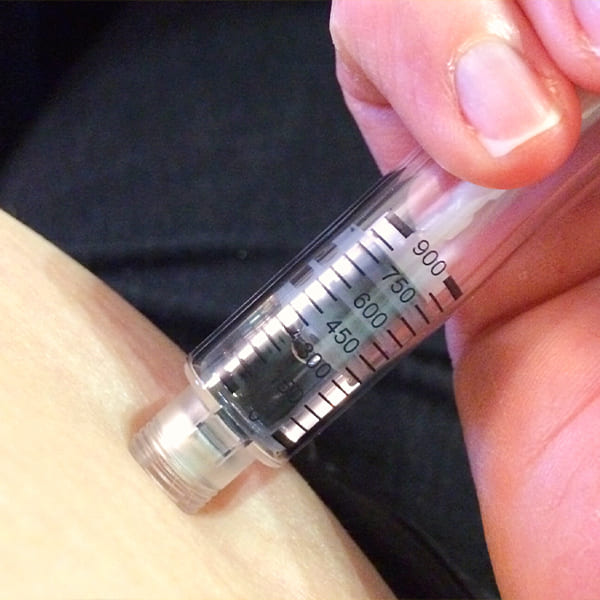
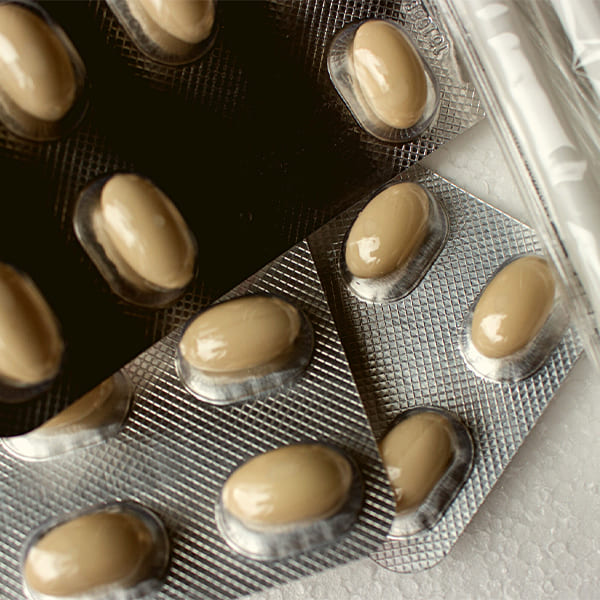
The process begins with synchronization of the menstrual cycles of the donor and the recipient through simple medications. While the donor undergoes controlled ovarian stimulation to produce multiple healthy eggs, the recipient takes tablets to prepare her uterus for embryo implantation. Once both are ready, the donor’s eggs are collected through a minor procedure and fertilized with the patient’s husband’s sperm using the advanced ICSI (Intracytoplasmic Sperm Injection) technique. The fertilized eggs are then cultured in our IVF laboratory until they reach either the day 2/3 stage or develop further into blastocysts.
After careful monitoring, the best-quality embryos are selected and transferred into the recipient’s uterus. Any extra embryos can be safely frozen, providing additional chances for pregnancy in the future. At Sarkar Hospital, we understand that each couple’s journey is unique, which is why we customize the treatment plan to suit individual needs. We also offer multiple treatment packages that combine affordability with uncompromised quality, ensuring value for money, transparency, and the highest chances of success.
Advantages of Egg donation/oocyte donation treatment
Egg donation offers hope to women who cannot conceive with their own eggs. Since the eggs are obtained from young and healthy donors, the chances of achieving pregnancy are significantly higher, the risk of miscarriage is much lower, and the likelihood of genetic abnormalities in the baby is also greatly reduced.
The entire treatment process is handled with utmost confidentiality. The recipient mother experiences every stage of pregnancy, delivery, and breastfeeding just like in a natural conception, enjoying the complete joy and bond of motherhood. The father contributes his sperm, and once the couple is mentally prepared for egg donation, the joy of parenthood often makes the genetic source immaterial.
Disadvantages of Egg donation/oocyte donation treatment
The primary disadvantage is that the eggs come from an outside genetic source, meaning the child will not carry the mother’s genetic material. Additionally, there may be some extra cost involved in donor recruitment and treatment compared to standard IVF cycles.
How We Select Our Donors
Donor Characteristics
At Sarkar Hospital, only young and healthy donors who pass strict screening are recruited. All oocyte (egg) donors are married, have at least one healthy living child, and are below 30 years of age.
Screening Process
Medical Review: We thoroughly evaluate the donor’s medical, family, and personal history. Her weight, height, and blood pressure must be within normal range. A complete medical check-up is performed by our doctors to ensure overall health.
Our fertility experts also carry out a 3D ultrasound to assess ovarian reserve and to rule out any reproductive or gynaecological condition. Blood tests are done for complete counts, sugar levels, and to check liver, kidney, and general health. Additional blood tests are carried out to rule out sexually transmitted diseases (STDs). Donors are also screened for common genetic conditions.
Psychological Review: Our in-house team conducts a detailed personal interview to ensure the donor fully understands the process and is capable of making a well-informed and balanced decision.
Genetic Study: A detailed family history is taken, and screening for common genetic conditions is performed. If the couple desires, additional specific genetic tests can also be arranged.
What is the Success rate of IVF with Egg Donation?
IVF with egg donation offers much higher success rates compared to using one’s own eggs, especially for women experiencing age-related fertility decline or poor ovarian reserve.
On average, the live birth rate with donor eggs is around 50%, meaning that nearly 1 in 2 women achieve a live birth after just one cycle.
Success Rates at Each Stage
Fertilization: Around 80% of donor eggs fertilize successfully.
Embryo Development: About 75–85% of fertilized eggs develop into transferable embryos.
Implantation: A healthy embryo has about a 55–65% chance of implanting in the uterus.
Live Birth: The overall live birth rate per cycle is about 50%.
Factors Influencing Success
It is important to remember that these are average figures, and individual outcomes may vary depending on several factors, such as:
Age of the recipient: Younger women tend to have higher success rates, though egg donation reduces the age-related gap.
Underlying medical conditions: Any issues with the uterus or general health can impact results.
Sperm quality: The fertilization potential also depends on the quality of the partner’s sperm.
Number of embryos transferred: Transferring more embryos may increase pregnancy chances but also raises the risk of multiple births.
Clinic expertise: Success rates vary with the experience, technology, and care standards of the fertility clinic.
Why Choose Sarkar Hospital for Egg Donation?
At Sarkar Hospital, egg donation cycles are typically performed using fresh donor eggs and either fresh or frozen donor sperm. We also maintain a selection of frozen embryos for patients who require immediate use or prefer a wider range of options.
Top Reasons to Choose Sarkar Hospital:
High-Quality Donor Program: Our donors are carefully screened to ensure health, fertility, and compatibility, giving patients the best chances of success.
Expert Fertility Specialists: Our experienced team provides personalized guidance and care at every step of the egg donation journey.
Higher Pregnancy Success Rates: Egg donation greatly improves conception chances, especially for women with low ovarian reserve, advanced age, or genetic concerns.
Rigorous Donor Screening: Every donor undergoes comprehensive medical, genetic, and psychological evaluations to ensure suitability and safety.
Customized Treatment Plans: Protocols are tailored to match the recipient’s cycle for optimal embryo implantation and pregnancy outcomes.
Comprehensive Fertility Solutions: From egg donation and IVF to ICSI and embryo freezing, we provide complete fertility care under one roof.
Trusted and Recognized Center: Sarkar Hospital is known for ethical practices, transparency, and consistently high success rates.
FAQs
Yes, “Ovum donation” and “Egg donation” refer to the same process. Ovum is another term for an egg, and the two phrases are used interchangeably in the context of assisted reproductive technologies.
- Anonymous Donation: The identity of the donor is not disclosed to the recipient.
- Known Donation: The donor and recipient are known to each other. This may involve a friend or family member.
Egg donation is generally considered safe, but like any medical procedure, it may have risks and side effects like allergies to medication and pregnancy related complications.
Legal implications can vary by country and even within regions. In many places, there are legal agreements and contracts outlining the rights and responsibilities of the parties involved, including the donor, recipient, and any potential offspring.
In India patients undergoing egg donation takes insurance for egg donor and signs an affidavit stating that they will take care of medical expenses for the oocyte donor and treatment of any expected or unexpected complications.
Certainly! IVF with egg donation can fail due to factors such as:
- Embryo Quality: Low-quality embryos may not implant successfully. Although chances of low quality embryos with oocyte donation is relatively less.
- Uterine Receptivity: The recipient’s uterus must be receptive for implantation.
- Cycle Synchronization: Mismatched menstrual cycles can impact timing.
- Medical Conditions: Underlying health issues can affect fertility.
- Recipient’s Age: Older age may marginally reduce the chance of success.
- Sperm Quality: Poor sperm quality can impact fertilization.
- Lifestyle Factors: Smoking, alcohol, and stress can affect fertility.
- Implantation Issues: Problems with embryo placement or uterine environment.
- Unexplained Factors: Some cases have unknown reasons for failure.