
Percutaneous Endoscopic Gastrostomy (PEG Tube)
A Percutaneous Endoscopic Gastrostomy (PEG) is a medical procedure used to place a feeding tube directly into the stomach through the abdominal wall. This tube, commonly called a PEG tube or G-tube, allows patients to receive nutrition, fluids, and medications when they are unable to eat or swallow safely.
PEG feeding is a form of enteral nutrition, which helps maintain strength, hydration, and overall health in patients with swallowing or nutritional difficulties.
At Sarkar Hospital, PEG tube placement is performed by experienced specialists using safe, minimally invasive endoscopic techniques.
Who Needs a PEG Tube?
A PEG tube may be recommended if a patient has difficulty swallowing (dysphagia) or cannot meet nutritional needs by mouth due to conditions such as:
Stroke
Brain injury
Head and neck cancer
Chronic neurological disorders
Severe illness causing loss of appetite
Coma or reduced consciousness
Kidney failure requiring dialysis
Conditions affecting nutrient absorption (e.g., cystic fibrosis)
What Happens Before PEG Tube Placement?
Before the procedure:
You will meet your doctor to discuss medical history and medications
Inform your provider about:
Heart conditions
Bleeding disorders
Drug or anesthesia allergies
Medication adjustments may be needed, especially:
Blood thinners (e.g., warfarin)
Diabetes medications (insulin)
Pain relievers like aspirin or ibuprofen
Do not eat or drink for at least 8 hours
Arrange transportation home after the procedure
PEG Procedure – Step by Step
PEG tube placement is usually done using endoscopic surgery and takes about 20–30 minutes.
During the procedure:
IV sedation and antibiotics are given
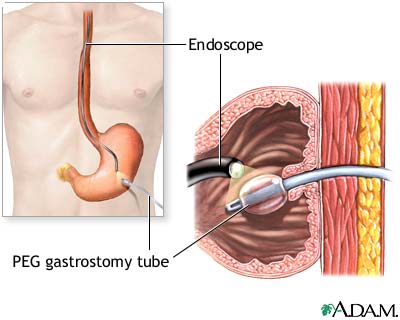
A flexible endoscope is passed through the mouth into the stomach
A small incision is made in the upper abdomen
The feeding tube is placed through the incision into the stomach
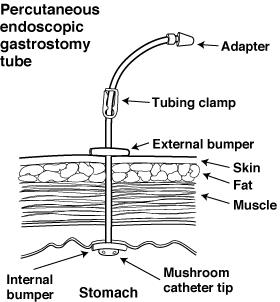
The tube is secured with an internal and external support
Most patients return home the same day or the next morning.
What Happens After PEG Placement?
Mild pain, cramping, or bloating is common for 24–48 hours
A bandage will cover the incision site
Some drainage around the tube is normal initially
Bandage removal is usually advised after 1–2 days
Once healing begins, a dietitian will guide you on:
Tube feeding
Medication administration
Tube care and hygiene
Can You See the PEG Tube?
Yes. The PEG tube:
Is about the thickness of a pen or pencil
Extends 6–12 inches outside the body
Has an external bumper to prevent movement
Includes a cap to prevent leakage
The tube can be opened for feeding, water, or medications and closed afterward.
Benefits of PEG Tube Feeding
Ensures adequate nutrition and hydration
Reduces risk of aspiration during swallowing
Improves strength and recovery
Supports long-term care for chronic conditions
Minimally invasive with quick recovery
Risks and Complications
PEG tube placement is generally safe, but possible risks include:
Tube dislodgement
Infection at the insertion site
Bleeding or bowel perforation
Aspiration of stomach contents
Pain or leakage around the tube
Daily cleaning and proper care significantly reduce these risks.
Recovery and Outlook
Most patients recover quickly
Long-term outcome depends on the underlying medical condition
PEG tubes can last months or years
Tubes can be replaced easily if worn out
If no longer needed, the tube can be removed, and the opening closes naturally