
What is an ERA Test?
The Endometrial Receptivity Array (ERA) test studies the gene expression profile of the endometrial lining (uterine lining) at the time of embryo transfer. It helps determine the best time for embryo implantation, allowing fertility specialists to fine-tune the timing of the embryo transfer for better success rates.
Why Endometrial Receptivity Matters
Successful implantation requires a healthy and receptive endometrium. Certain uterine conditions like Hydrosalpinx, Fibroids, Adenomyosis, Adenomas, and pelvic adhesions can affect endometrial receptivity. These should be properly evaluated and treated before embryo transfer to improve outcomes.
How does an ERA test help?
The ERA test identifies the individual’s unique fertile window by analyzing the gene expression patterns in the endometrial tissue.
This personalized approach helps improve the chances of successful embryo implantation and pregnancy.
However, recent studies (including some 2024 publications) have questioned the accuracy of the ERA test in predicting the exact window of implantation. At Sarkar Hospital, our specialists guide patients with evidence-based and individualized fertility care, considering ERA results along with other clinical findings.
Who should opt for ERA Testing?
ERA testing may be recommended for couples undergoing IVF treatment, especially in the following cases:
Repeated implantation failures despite good-quality embryos
Recurrent pregnancy losses
Unexplained infertility where other factors have been ruled out
ERA provides valuable insights into the endometrial environment, helping plan the optimal timing for embryo transfer.
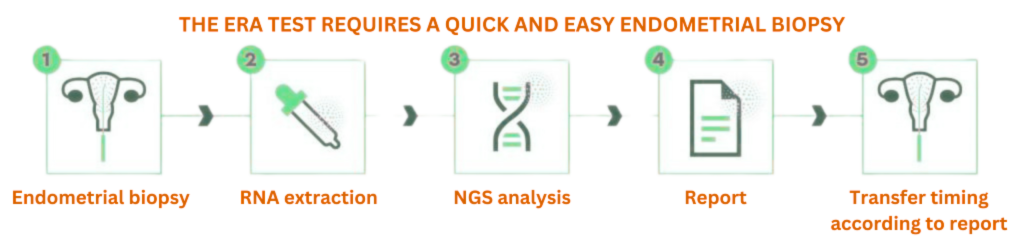
How does ERA testing work?
Endometrial Biopsy: A small tissue sample is collected from the endometrial lining during a specific phase of the menstrual cycle.
Gene Expression Analysis: The sample is analyzed to assess the activity of genes related to endometrial receptivity.
Result Interpretation: The results determine if the endometrium is receptive, non-receptive, or displaced.
Timing Adjustment: The fertility team uses this information to pinpoint the best day for embryo transfer.
Treatment Optimization: If abnormalities are found, treatment protocols are adjusted to improve implantation potential.
Understanding ERA Test Results
Receptive:
Indicates that the endometrium is ready for implantation. Embryo transfer is recommended during this period for the best success rates.Non-Receptive:
Suggests that the endometrium is not yet ready for implantation. The embryo transfer timing may need to be advanced or delayed accordingly.Indeterminate:
Sometimes, results may be inconclusive due to technical or biological factors. In such cases, retesting or further evaluation may be recommended.
Advantages of an Endometrial Receptivity Array
The Endometrial Receptivity Array offers several potential benefits in assisted reproductive treatments like IVF:
Personalized Embryo Transfer Timing: Helps determine the most suitable time for embryo transfer based on your unique endometrial receptivity.
Potentially Improved IVF Success Rates: By aligning embryo transfer with the optimal implantation window, ERA may enhance implantation chances.
Reduced Failed Implantations: Tailored timing may help minimize the emotional and financial strain of repeated IVF failures.
Greater Confidence and Satisfaction: Patients often feel more reassured knowing that treatment is customized to their body’s biological rhythm.
Disadvantages of ERA test
While the ERA test is scientifically sound in concept, real-world evidence has shown mixed outcomes:
Limited Proven Benefit: Current research lacks sufficient statistical power to confirm that ERA consistently improves IVF success rates.
Questionable Predictive Accuracy: Several recent, reputed studies indicate that ERA may not always accurately predict the true window of implantation — which is its primary goal.
Potential for Overuse: In some cases, unnecessary reliance on ERA could lead to delays or even reduced success rates if used without clear clinical indication.
At Sarkar Hospital, Agra, our fertility experts recommend ERA testing only when medically justified, ensuring a balanced and evidence-based approach to IVF care.
What is the Success Rate for ERA Testing?
The success of the ERA test lies in its ability to personalize embryo transfer timing rather than guaranteeing pregnancy outcomes.
While it can increase the probability of implantation in selected cases, the overall IVF success still primarily depends on embryo quality, uterine health, and other individual factors.
Our team at Sarkar Hospital integrates ERA results with comprehensive fertility assessments to maximize pregnancy chances safely and effectively.
How to prepare for an Endometrial Receptivity Array Testing?
To ensure accurate and reliable results, it’s important to follow your doctor’s guidance closely:
Consult Your Fertility Specialist: Discuss whether ERA is appropriate for your treatment plan.
Track Your Menstrual Cycle: Accurate cycle tracking is crucial for correct timing of the biopsy.
Follow Medication Instructions: Take or adjust medications as prescribed by your doctor.
Avoid Interfering Substances: Refrain from using any medications or supplements not approved by your specialist.
Ask Questions: Clarify all doubts about the procedure, results, and implications for your IVF cycle.