
Tympanoplasty Surgery: Advanced Ear Care at the Best Multispecialist Hospital in Agra
Tympanoplasty is a specialised ear surgery performed to repair a perforated (ruptured) eardrum, also known as the tympanic membrane. The eardrum is a thin, delicate tissue that separates the outer ear from the middle ear and plays a crucial role in hearing by vibrating in response to sound waves.
When the eardrum develops a hole due to infection, injury, trauma, pressure changes, or congenital reasons, it can lead to hearing loss, repeated ear infections, pain, and ear discharge. Tympanoplasty surgery helps restore the integrity of the eardrum, improve hearing, and prevent recurrent infections.
At the best multispecialist hospital in Agra, tympanoplasty is performed by experienced ENT specialists using advanced surgical techniques to ensure safe procedures, improved hearing outcomes, and faster recovery.
What Is Tympanoplasty?
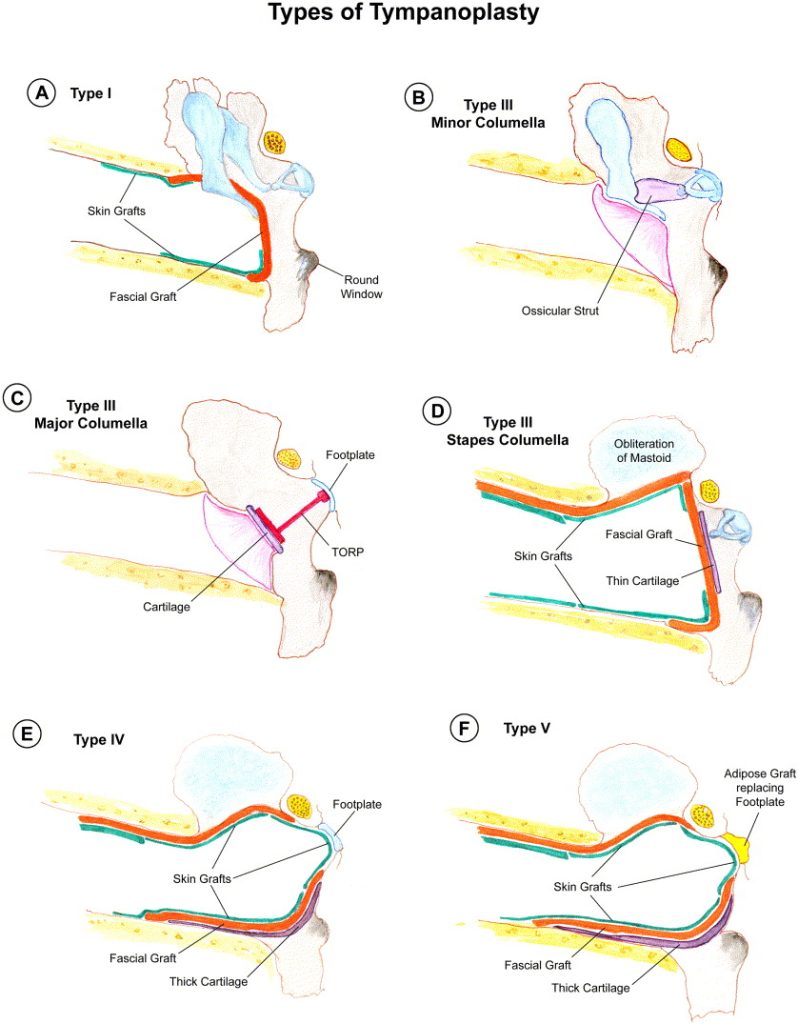
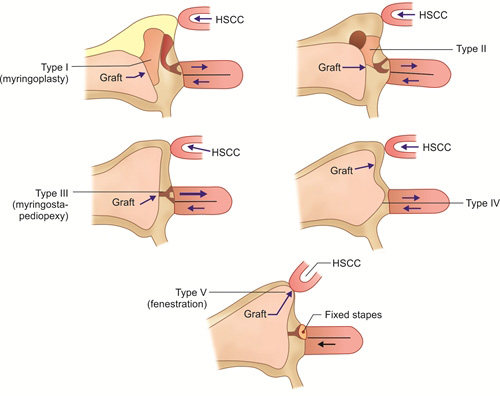
Tympanoplasty is a surgical procedure used to reconstruct or repair a hole or tear in the eardrum. The surgery involves placing a tissue graft—usually taken from behind the ear—to close the perforation and restore normal ear function.
The procedure is typically performed under general anaesthesia and usually takes about 1.5 to 2 hours, depending on the size and location of the perforation.
Who Is an Ideal Candidate for Tympanoplasty?
You may be considered a good candidate for tympanoplasty surgery if you experience one or more of the following:
Persistent mucus-like or blood-stained ear discharge
Progressive or long-standing hearing loss
Chronic or recurrent ear infections
Ringing sensation in the ear (tinnitus)
Sharp ear pain not relieved by medication
Nausea or vomiting related to ear problems
Optic capsule fistula
A detailed evaluation by an ENT specialist is essential before recommending surgery.
Who Should Avoid Tympanoplasty Surgery?
Tympanoplasty may not be suitable in certain cases, including:
Active ear infection that can be treated with medications
Smoking (as it interferes with healing)
Multiple uncontrolled medical conditions
Bleeding disorders or severe anaemia
Known intolerance to anaesthesia
Certain chronic illnesses requiring stabilisation before surgery
Your ENT surgeon will assess your overall health before deciding on surgery.
Preparing for Tympanoplasty Surgery
Before the procedure, doctors at the best multispecialist hospital in Agra will conduct a thorough evaluation that may include:
Physical ear examination using an otoscope or microscope
Hearing tests
Laboratory tests to rule out infection
Tympanometry to assess eardrum movement
Pre-Surgery Instructions
Patients are usually advised to:
Avoid eating or drinking after midnight before surgery
Stop smoking at least two weeks prior
Avoid blood-thinning or anti-inflammatory medications
Eat a healthy diet and avoid alcohol
Wear loose, comfortable clothing
Arrange for someone to accompany and take you home
Tympanoplasty Surgery Procedure
Tympanoplasty is usually performed with 24-hour hospital observation.
Surgical Approach
The surgeon may access the eardrum by:
Entering through the ear canal (transcanal approach), or
Making an incision behind the ear (postauricular approach)
Surgical Techniques
Underlay Technique: The graft is placed under the remaining eardrum tissue and supported with dissolvable packing.
Overlay Technique: The eardrum is lifted, and the graft is placed over the entire membrane to form a new eardrum.
Once the graft is positioned, the incision is sutured and dressed. The surgery typically takes around two hours.
Care and Recovery After Tympanoplasty
After surgery, patients may notice mild pain, soreness, or ear discharge for a few days. Pain is usually manageable with prescribed medications.
Recovery Timeline
Initial recovery: 1–2 weeks
Hearing improvement: Gradual over 2–3 months
Return to routine activities: 2–3 weeks
Post-Surgery Precautions
Avoid strenuous activities
Do not blow your nose
Sneeze with your mouth open
Avoid swimming
Use prescribed ear drops
Avoid sun exposure for 1–2 weeks
Sleep with your head elevated
Avoid blood-thinning medications unless prescribed