
Adenoidectomy Surgery at the Best ENT Hospital in Agra
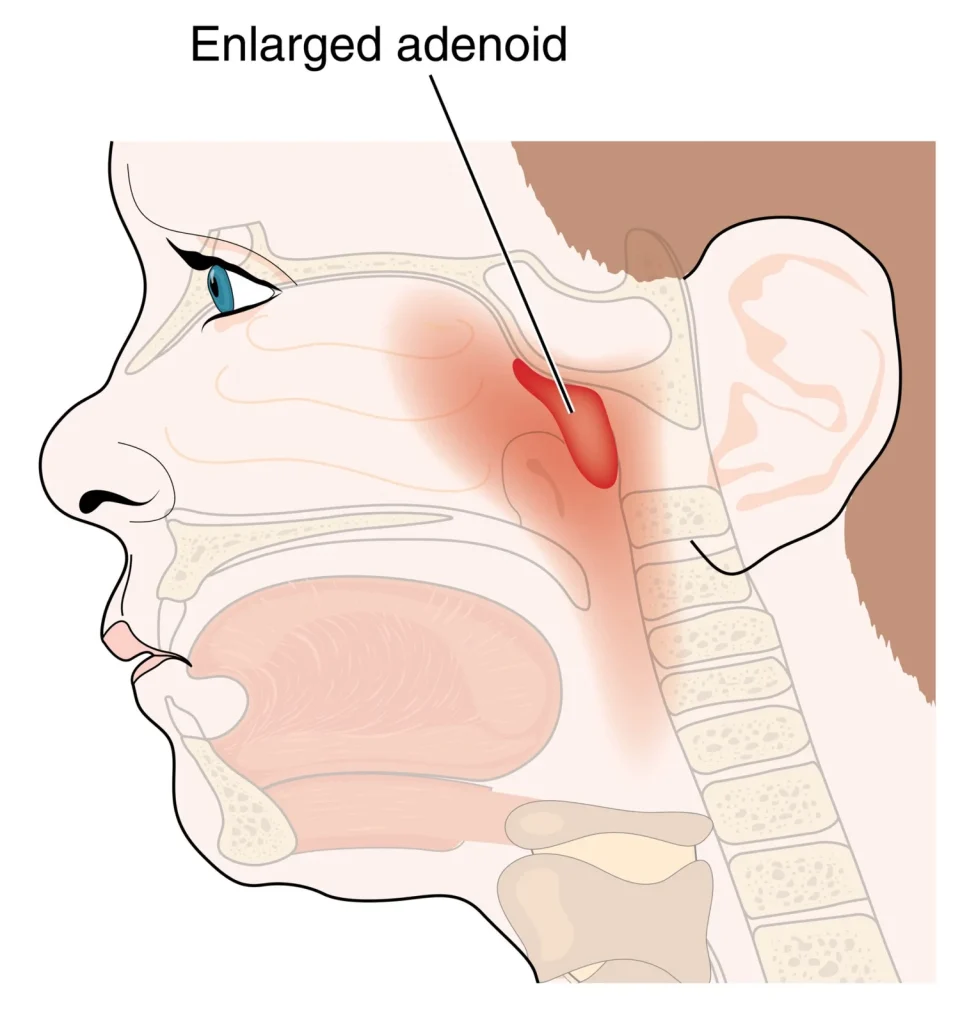
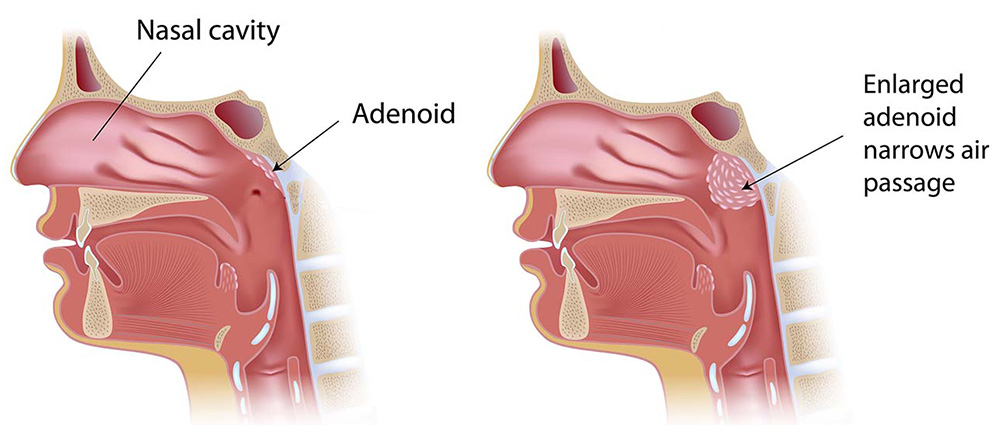
Adenoidectomy is a surgical procedure performed to remove enlarged or infected adenoid glands. Adenoids are a mass of lymphoid tissue located behind the nose, at the roof of the throat, and play an important role in a child’s immune system by helping fight infections.
When adenoids become swollen due to repeated infections or allergies—a condition known as adenoiditis—they can block the airway and cause breathing difficulties, frequent respiratory infections, snoring, or sleep apnea. In such cases, adenoidectomy helps restore normal breathing and improves overall quality of life.
At the Best ENT Hospital in Agra, adenoidectomy is performed using advanced, minimally invasive techniques to ensure safety, comfort, and quick recovery, especially for children
When Is Adenoidectomy Surgery Needed?
Adenoidectomy is recommended when enlarged adenoids cause persistent symptoms and do not respond to medical treatment. Enlarged adenoids can partially or completely block the airway, leading to complications such as:
Difficulty breathing through the nose
Mouth breathing
Loud snoring or sleep apnea
Chronic nasal discharge
Recurrent sinus infections
Frequent ear infections
Fluid buildup in the middle ear causing temporary hearing loss
Speech, dental, or oral hygiene issues
Adenoidectomy is advised when:
Antibiotics fail to clear repeated ear infections
There is persistent fluid in the ears
Snoring or sleep apnea affects sleep quality
Nasal obstruction interferes with normal breathing
Early surgical intervention helps prevent long-term complications and supports healthy growth and development in children.
Diagnosis for Adenoidectomy
To diagnose enlarged adenoids, the ENT specialist will:
Review symptoms and medical history
Examine the ears, nose, and throat
Use a small endoscopic camera to view the adenoids through the nose
Recommend imaging tests such as an X-ray if required
Based on clinical findings and symptom severity, the ENT doctor may advise adenoidectomy.
Adenoidectomy Surgery Procedure
Adenoidectomy is a short and safe ENT surgery, usually completed in 20–30 minutes.
How the Surgery Is Performed:
The patient is given general anaesthesia, ensuring they remain asleep and pain-free
A small instrument is placed in the mouth to keep it open
The adenoid tissue is removed using a debrider or coblator under endoscopic guidance
There are no external cuts, stitches, or visible scars
After surgery, the patient is moved to a recovery room until fully awake
Most patients can go home the same day.
Who Are the Best Candidates for Adenoidectomy?
Adenoidectomy is most commonly performed in children, but may also be required in adolescents or adults.
Best candidates include patients with:
Recurrent nasal or ear infections
Mouth breathing
Chronic nasal blockage
Obstructive sleep apnea
Snoring affecting sleep quality
Breathing difficulty due to airway obstruction
Care After Adenoidectomy Surgery
Postoperative care is important for smooth recovery. After surgery, mild symptoms such as sore throat, bad breath, or runny nose are common and temporary.
Post-Surgery Care Tips:
Give prescribed pain medicines on time
Encourage plenty of fluids to stay hydrated
Offer soft foods like soup, mashed vegetables, pudding, or yogurt
Avoid hot, spicy, or hard foods during recovery
Prevent nose blowing and strenuous activities
Apply an ice pack to the neck to reduce swelling
Ensure the child gets adequate rest
With proper care, most children recover completely within 4–5 days.