
What Is a Tracheostomy?
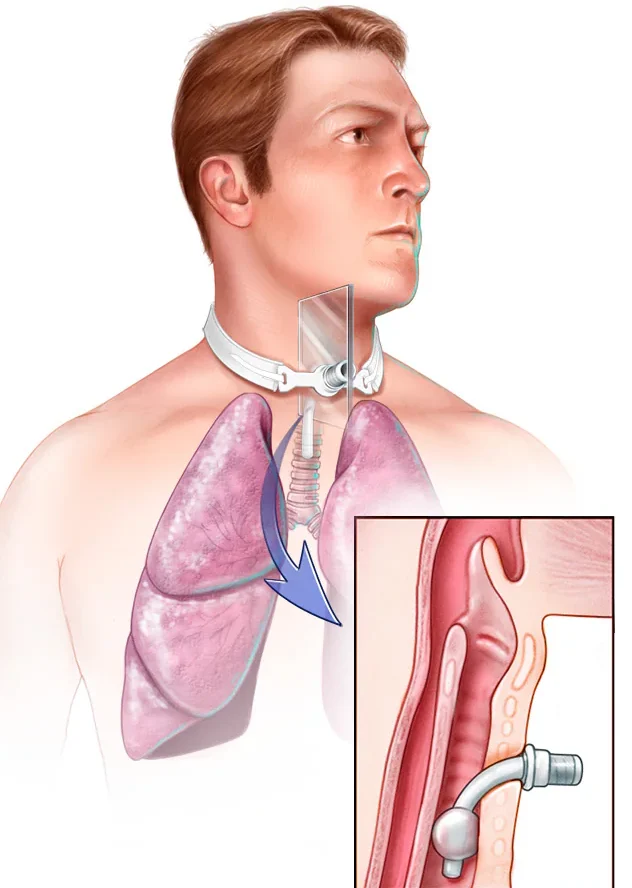
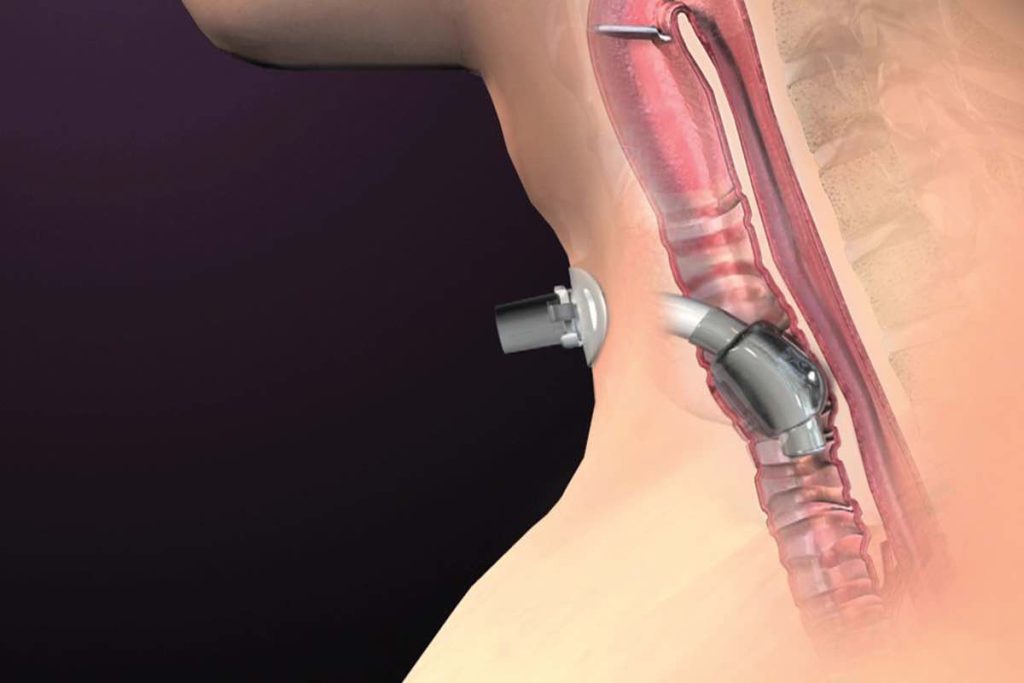
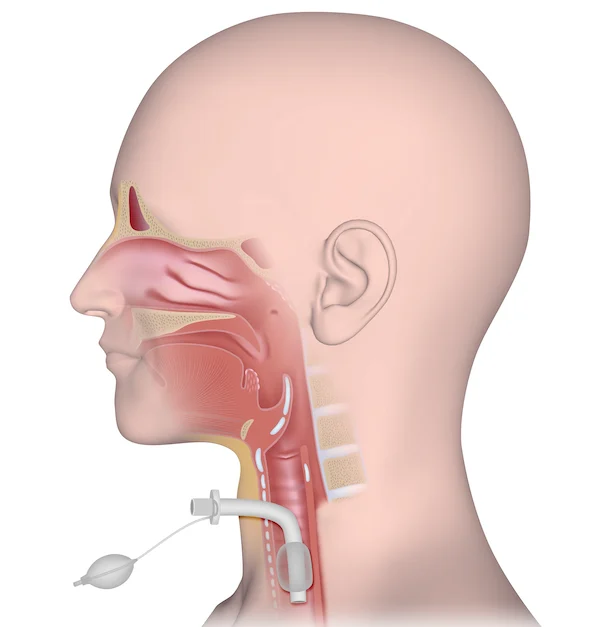
A tracheostomy is a surgical procedure in which a surgeon creates an opening in the neck and into the trachea (windpipe) to help a patient breathe. A special tube called a tracheostomy tube (trach tube) is inserted through this opening to allow air to pass directly into the lungs.
The procedure used to create this opening is called a tracheotomy, though both terms are commonly used interchangeably.
A tracheostomy helps patients who are unable to breathe normally through their mouth or nose due to airway blockage, lung disease, or long-term ventilation needs
When Is a Tracheostomy Needed?
A tracheostomy may be recommended if a patient:
Has a blocked or narrowed airway and intubation is not possible
Has difficulty breathing due to lung disease, paralysis, or head and neck injury
Requires prolonged ventilator support (usually more than 7 days)
Needs airway support after surgery on the throat or voice box
Cannot clear mucus effectively by coughing
Has neurological conditions affecting breathing
Depending on the condition, a tracheostomy may be temporary or permanent. While most are planned procedures, tracheostomy may also be performed as a life-saving emergency.
Preparation for Tracheostomy
Before an elective tracheostomy, the healthcare team at Sarkar Hospital will guide you through the preparation process.
Preparation may include:
Medical evaluation and blood tests
Fasting before surgery (if under general anesthesia)
Stopping certain medications as advised
Planning a hospital stay of several days to weeks
Patients are advised to bring:
Comfortable clothing and toiletries
Current medications or supplements
Books, mobile devices, or other entertainment
Writing tools or digital devices for communication (as speech may be limited initially)
Tracheostomy Procedure
Open Tracheostomy
This procedure is performed in the operating theatre under general anesthesia.
Steps include:
A small incision is made in the neck below the Adam’s apple
An opening is created in the windpipe
A tracheostomy tube is placed into the opening
The tube is secured with a neck strap or stitches
If required, the tube is connected to a ventilator
Percutaneous Tracheostomy
This minimally invasive technique is often performed at the patient’s bedside in the ICU.
A needle is used to create a small opening in the trachea
A guidewire and dilators widen the opening
The tracheostomy tube is inserted
This method is commonly used for critically ill patients who require long-term ventilation.
Benefits of Tracheostomy
Provides a secure airway
Makes breathing easier and more comfortable than prolonged intubation
Helps patients wean off ventilators faster
Allows easier suctioning of mucus
Improves patient comfort and mobility
Care After Tracheostomy
After surgery, patients are closely monitored by the medical team.
Post-procedure care includes:
Regular cleaning and suctioning of the tracheostomy tube
Humidified air to prevent dryness
Learning proper tube care before discharge
Speech therapy support if needed
Written or digital communication until speech returns
Detailed home-care instructions are provided before discharge.