
MENISCUS SURGERY (MENISCUS REPAIR & MENISCECTOMY)
Meniscus repair is an effective treatment option for people with lower-grade meniscus tears. During this procedure, the surgeon stitches the torn cartilage so it can heal back into one complete piece.
Meniscus surgery is performed to treat a torn meniscus, which is damage to the cartilage inside the knee joint. Depending on the type and severity of the tear, an orthopedic surgeon may either repair the meniscus or remove the damaged portion.
A doctor may recommend meniscus surgery if:
You have a high-grade meniscus tear
Non-surgical treatments like rest, medication, or physiotherapy have not relieved symptoms
The knee feels unstable, painful, swollen, or gets “locked” or “stuck”
WHAT IS A MENISCUS TEAR?
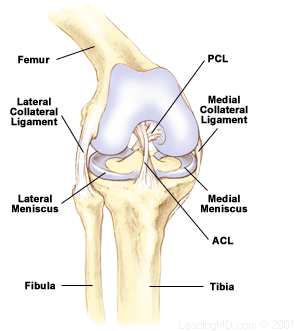
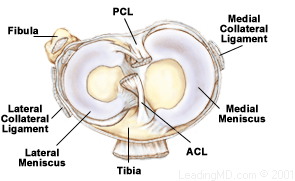
The meniscus is a C-shaped piece of cartilage that cushions the knee joint. A tear can cause:
Knee pain and swelling
Instability or buckling
Difficulty walking or bending
Locking or catching sensation in the knee
PREPARATION FOR MENISCUS SURGERY
Before surgery, your doctor may recommend the following tests:
Physical examination
Blood tests
ECG (EKG)
Chest X-ray
Knee X-ray
MRI scan of the knee
Pre-Surgery Instructions
Inform your doctor about all medications, supplements, or herbal products you are taking
Some medications may need to be stopped before surgery
Fast for at least 12 hours before surgery
Arrange for transportation, as you will not be able to drive after the procedure
MENISCUS SURGERY PROCEDURE
On the day of surgery, anesthesia is given to ensure comfort:
General anesthesia (you are asleep), or
Regional anesthesia (numbness from the waist down with sedation)
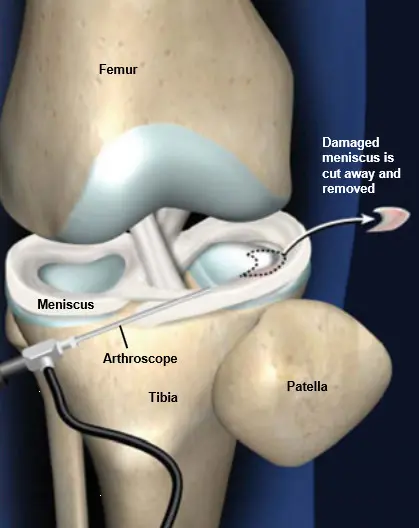
Meniscus surgery is usually done using knee arthroscopy, a minimally invasive technique involving small incisions and a tiny camera.
TYPES OF MENISCUS SURGERY
1. Meniscus Repair
The torn meniscus is stitched back together
Best for lower-grade tears with good healing potential
Sutures dissolve naturally as healing occurs
2. Partial Meniscectomy
The damaged portion of the meniscus is removed
Healthy cartilage is preserved
Often recommended for severe or complex tears that cannot be repaired
3. Meniscus Replacement
Rare procedure
Typically for patients under 50 with severe damage or arthritis
The damaged meniscus is replaced with a donor meniscus (allograft)
DURATION OF MENISCUS SURGERY
The procedure usually takes about 1 hour
Time may vary depending on tear severity or associated knee injuries
RISKS AND COMPLICATIONS
Meniscus surgery is generally safe, but potential risks include:
Infection
Bleeding inside the knee
Blood clots
Nerve or blood vessel injury
Knee stiffness after recovery
⚠️ Long-term consideration:
Partial meniscectomy may slightly increase the risk of knee arthritis later in life due to increased joint stress.
Your surgeon will help weigh the risks versus benefits based on your condition.
AFTER MENISCUS SURGERY
Meniscus surgery is usually an outpatient procedure, meaning:
You can go home the same day
You’ll be monitored until anesthesia wears off
Someone must drive you home
BENEFITS OF MENISCUS SURGERY
Meniscus surgery can:
Relieve knee pain and swelling
Improve knee stability
Restore mobility and function
Help you return to sports and daily activities