
JOINT REPLACEMENT SURGERY
Overview
Joint replacement surgery is a highly effective procedure designed to relieve severe joint pain, restore mobility, and improve quality of life in patients suffering from advanced joint damage. The surgery involves removing a damaged or worn-out joint and replacing it with an artificial implant (prosthesis).
This procedure is recommended when pain and stiffness significantly interfere with daily activities and non-surgical treatments such as medication, injections, or physiotherapy no longer provide relief.
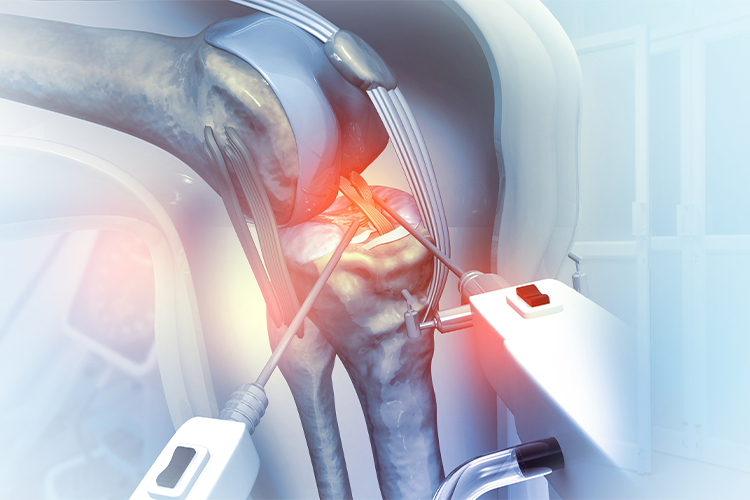
UNDERSTANDING JOINT REPLACEMENT SURGERY
Joint replacement aims to:
Reduce or eliminate chronic joint pain
Improve joint function and movement
Restore independence and mobility
Modern joint replacement procedures use advanced implants and minimally invasive techniques for faster recovery and long-lasting results.
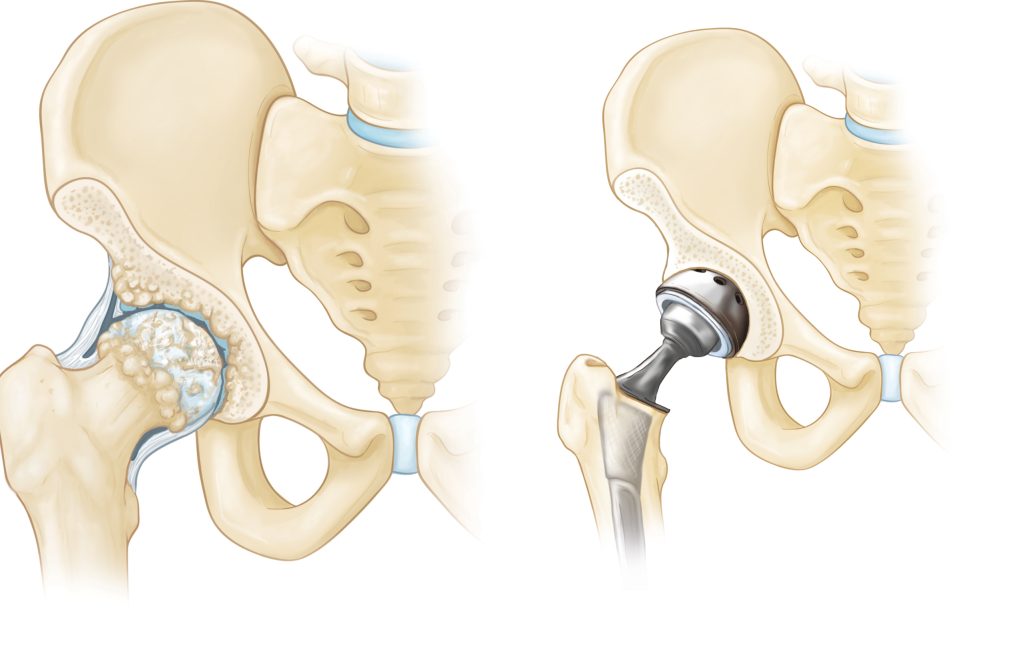
CONDITIONS THAT MAY REQUIRE JOINT REPLACEMENT
Common medical conditions leading to joint replacement include:
Osteoarthritis: Degeneration of joint cartilage causing pain, stiffness, and reduced movement
Rheumatoid Arthritis: Autoimmune inflammation damaging joints over time
Post-Traumatic Arthritis: Joint damage following fractures or injuries
Avascular Necrosis: Loss of blood supply to bone causing joint collapse
TYPES OF JOINT REPLACEMENT SURGERY
Total Hip Replacement (THR)
Replacement of the damaged hip joint with a prosthetic implant. Commonly performed for severe hip arthritis or fractures.
Total Knee Replacement (TKR)
Damaged knee surfaces are replaced with artificial components to restore movement and relieve pain.
Shoulder Replacement
Includes total or partial shoulder replacement, often used in arthritis or severe rotator cuff injuries.
Elbow Replacement
Recommended for patients with advanced arthritis or complex elbow joint damage.
Ankle Replacement
Used for end-stage ankle arthritis to relieve pain while preserving joint motion.
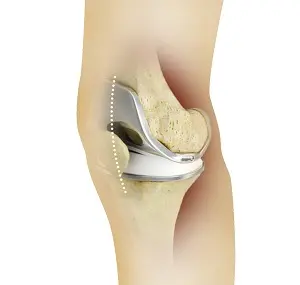
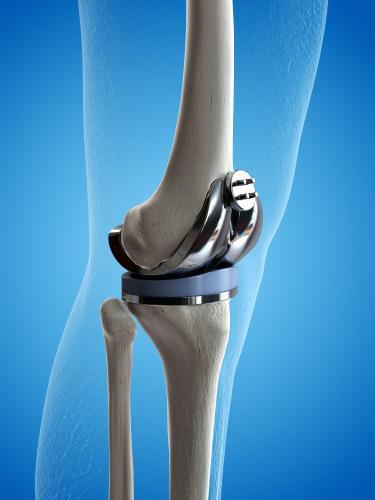
THE JOINT REPLACEMENT SURGICAL PROCESS
Preoperative Preparation
Detailed medical evaluation and imaging (X-ray, MRI, CT scan)
Blood tests and fitness assessment
Medication adjustments and physiotherapy guidance
Anesthesia
General anesthesia or regional anesthesia depending on patient condition and joint involved
Surgical Procedure
Removal of damaged bone and cartilage
Placement of prosthetic joint
Proper alignment and fixation of implant
Postoperative Care
Pain control and wound care
Early mobilization and physiotherapy
Hospital stay of a few days depending on recovery
RECOVERY AND REHABILITATION
Hospital Recovery
Monitoring vital signs
Pain management
Initiation of physiotherapy
Physical Therapy
Strengthening muscles
Improving joint movement and balance
Continued for weeks to months
Home Care
Assistance with daily activities
Following weight-bearing and movement instructions
Long-Term Recovery
Full recovery may take several months
Regular follow-ups ensure implant health and joint function