
ACUTE KIDNEY INJURY (AKI) – TREATMENT AT SARKAR HOSPITAL, AGRA
Acute Kidney Injury (AKI), also known as acute renal failure, is a sudden decline in kidney function that develops over hours or days. It causes a buildup of waste products, fluid imbalance, and electrolyte disturbances in the body, which can seriously affect overall health.
At Sarkar Hospital, Agra, our expert nephrologists and urologists provide timely diagnosis and advanced treatment to restore kidney function and prevent long-term complications.
SYMPTOMS OF ACUTE KIDNEY INJURY
AKI symptoms may develop suddenly and include:
Reduced urine output or complete absence of urination
Swelling (edema) in legs, ankles, face, or abdomen
Shortness of breath due to fluid buildup in the lungs
Fatigue and confusion caused by toxin accumulation
Nausea, vomiting, and loss of appetite
Irregular heartbeat due to electrolyte imbalance (high potassium levels)
CAUSES AND RISK FACTORS OF AKI
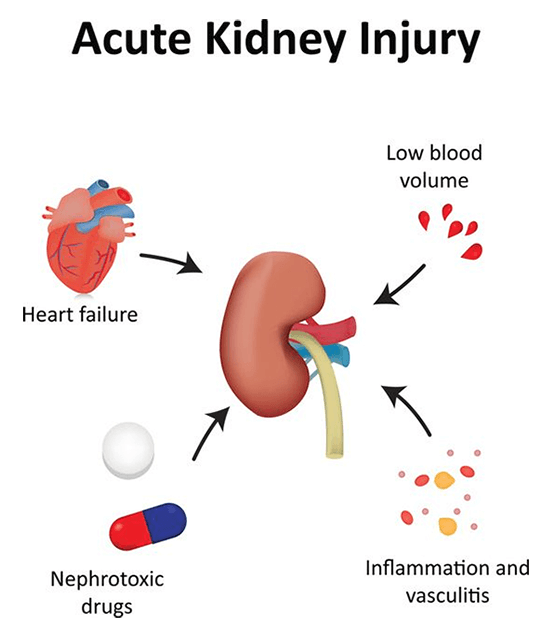
1. Pre-Renal Causes (Reduced Blood Flow to the Kidneys)
Severe dehydration or blood loss
Heart failure or low blood pressure (shock)
Sepsis or severe infections
2. Intrinsic Causes (Direct Kidney Damage)
Acute Glomerulonephritis – Inflammation of kidney filters
Medications and toxins – NSAIDs, certain antibiotics, contrast dyes
Autoimmune diseases – Lupus, vasculitis
3. Post-Renal Causes (Urinary Tract Obstruction)
Kidney stones
Enlarged prostate
Tumors blocking urine flow
Bladder dysfunction causing urine retention
WHY CHOOSE SARKAR HOSPITAL, AGRA FOR AKI TREATMENT?
arkar Hospital, Agra offers comprehensive and patient-centric care for Acute Kidney Injury with advanced medical facilities and experienced specialists.
Our Key Services Include:
Accurate diagnosis using blood tests (Creatinine, BUN), urine tests, ultrasound, and CT scans
IV fluid therapy to correct dehydration and electrolyte imbalance
Medications to control blood pressure, reduce swelling, and treat infections
Dialysis support for severe kidney failure cases
Urological procedures such as catheterization or surgery to relieve urinary obstruction
Personalized dietary guidance including low-sodium and low-potassium diets
Our goal is to restore kidney function quickly, prevent complications, and improve patient outcomes.
FAQs
Yes. AKI is often reversible if diagnosed and treated early by specialists
No. Dialysis is required only in severe cases where kidney function is critically reduced.
Recovery depends on the cause and severity but may take days to weeks with proper treatment.
Yes, untreated AKI can progress to CKD. Early intervention at Sarkar Hospital helps prevent this.