
WOUND DEBRIDEMENT AT SARKAR HOSPITAL, AGRA Overview
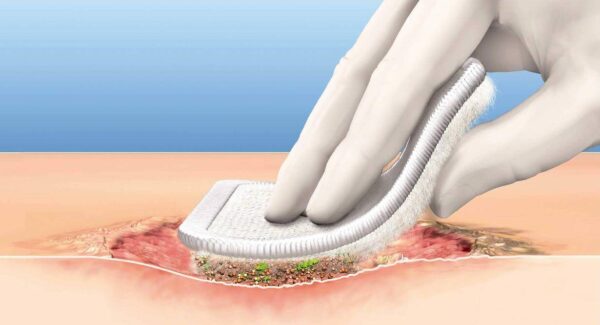
Wound debridement is a medical procedure performed when an open wound fails to heal properly due to the presence of dead tissue, infection, pus, slough, or foreign material. These barriers prevent wound edges from closing and delay natural healing.
At Sarkar Hospital, Agra, wound debridement is an essential part of advanced wound care management. By removing non-viable and infected tissue, debridement helps create a healthy wound bed, promotes faster healing, and reduces the risk of serious complications such as infection or gangrene.
Delayed wound healing may occur due to conditions like diabetes, poor blood circulation, low immunity, neurological disorders, or chronic illnesses. Debridement significantly improves healing outcomes in such cases.
When Is Debridement Surgery Needed?
Debridement is recommended when a wound shows signs of delayed healing or infection and may lead to serious complications if untreated. It is commonly advised in cases of:
Chronic or non-healing wounds
Severe burns
Diabetic foot or leg ulcers
Infected traumatic wounds
Wounds contaminated with debris or foreign material
Risk of gangrene or spreading infection
Removing dead tissue helps prevent bacterial growth and promotes healthy tissue regeneration.
Diagnosis Before Debridement Surgery
Physical Examination
The doctor carefully examines the wound to assess:
Size and depth of the wound
Presence of necrotic tissue or infection
Best debridement method for optimal healing
Medical History
The doctor reviews:
Existing medical conditions (diabetes, heart disease, blood clots, etc.)
Current medications (blood thinners, painkillers, supplements)
History of allergies or infections
Diagnostic Tests
Depending on the wound condition, the doctor may advise:
Blood tests – to detect infection
Wound culture tests – to identify bacteria
Ultrasound – to assess tissue damage or underlying involvement
Types of Debridement Treatment
At Sarkar Hospital, multiple debridement techniques are used depending on wound severity:
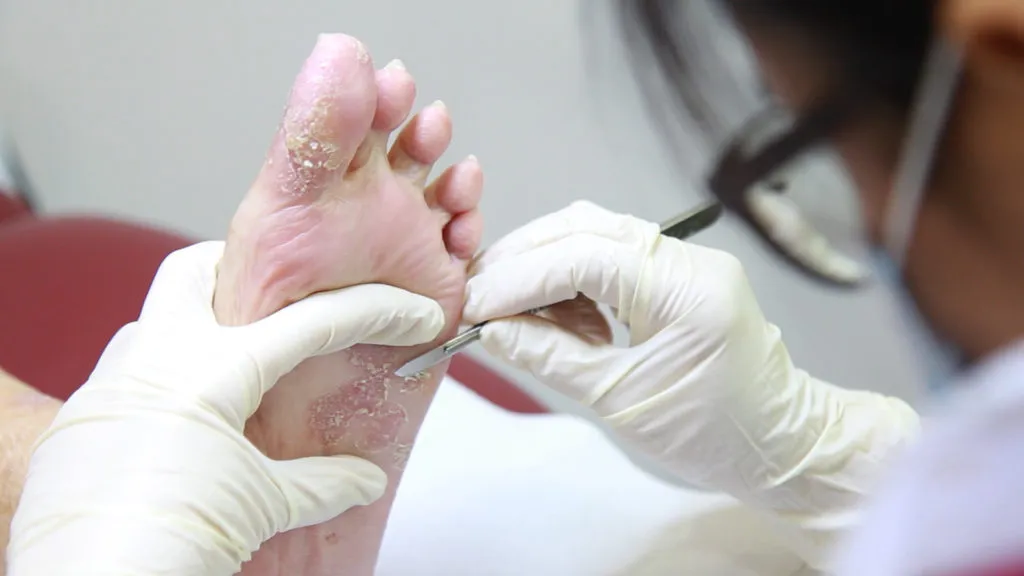
Surgical (Sharp) Debridement
Removal of dead tissue using surgical instruments such as a scalpel.Biological Debridement
Use of sterile medical maggots to selectively remove dead tissue and disinfect the wound.Autolytic Debridement
Uses the body’s natural enzymes in a moist wound environment to dissolve dead tissue.Mechanical Debridement
Physical removal of dead tissue using dressings or wound irrigation techniques.Enzymatic Debridement
Application of special enzymes that break down necrotic tissue.Hydrosurgery
High-pressure fluid jets remove devitalized tissue precisely.Ultrasonic Debridement
Low-frequency sound waves break down dead tissue and enhance antibiotic effectiveness.
Often, a combination of techniques is used for best results.
How to Prepare for Debridement Surgery
Patients are advised to:
Attend a detailed consultation and sign informed consent
Share full medical history and medication details
Stop blood thinners or NSAIDs if advised by the doctor
Avoid smoking and alcohol before surgery
Remove jewelry and metal objects
Follow fasting instructions (8–12 hours if anesthesia is planned)
Wear loose, comfortable clothing