
HEPATECTOMY
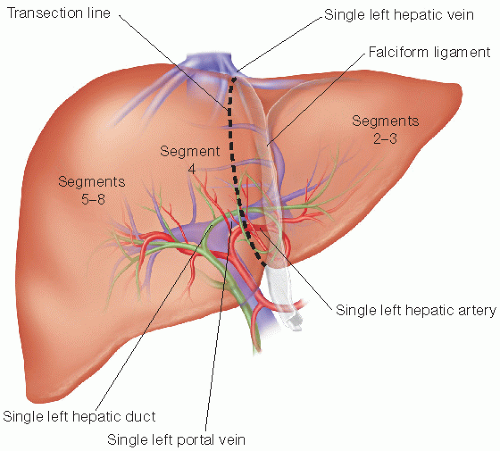
Hepatectomy is a surgical procedure performed to remove a diseased portion of the liver. The liver is a vital organ responsible for filtering blood, aiding digestion, removing toxins, and producing clotting factors. Since the liver is divided into segments (lobes) and has a remarkable ability to regenerate, a diseased segment can often be safely removed without affecting overall liver function.
Functions of the Liver
The liver plays a critical role in maintaining overall health by:
Producing bile for digestion
Digesting and storing nutrients such as sugar
Removing toxins from the blood
Producing proteins required for blood clotting
Conditions Treated with Hepatectomy
Hepatectomy is recommended for various liver conditions, including:
Hepatocellular carcinoma (primary liver cancer)
Metastatic liver tumors (cancer spread from colon or other organs)
Benign liver tumors
Hepatolithiasis (stones in the liver bile ducts)
Parasitic liver cysts
Large liver hemangiomas
Chronic or acute liver failure
Congenital liver disorders
Diagnosis Before Hepatectomy
Blood Tests
Complete Blood Count (CBC)
Kidney Function Tests
Liver-Specific Tests
Alpha-Fetoprotein (AFP)
Elevated levels may indicate liver cancer and are used for diagnosis and follow-up
Liver Function Tests (LFTs)
Assess liver performance before surgery
Blood Clotting Tests (PT, PTT)
Evaluate clotting ability, as liver disease can increase bleeding risk
Radiological Investigations
Ultrasound
Initial assessment of liver damage and tumor extent
MRI Scan (with Gadolinium contrast)
Differentiates benign and malignant tumors and evaluates blood vessels
PET Scan
Produces 3D images to assess tumor spread
Angiography (CT/MR)
Maps liver blood vessels to plan surgery or embolization
Radionuclide Scans
Bone scan (if cancer spread is suspected)
MIBG scan for carcinoid tumors or neuroblastoma
Types of Hepatectomy Procedures
Open Hepatectomy
Most commonly performed
Incision made below the ribs and mid-abdomen
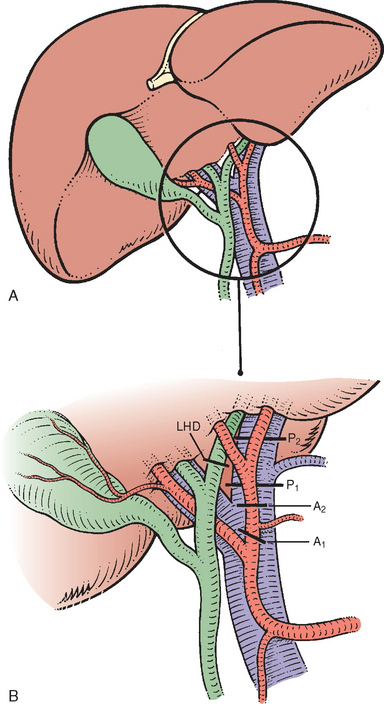
Blood vessels and bile ducts supplying the affected liver segment are isolated
Techniques used include ultrasonic surgical aspirator and laser
May involve wedge resection, segmentectomy, or lobectomy
Laparoscopic Hepatectomy
Minimally invasive surgery using a laparoscope
Smaller incisions and faster recovery
May be converted to open surgery if complications arise
Partial Hepatectomy
Removal of up to 60% of the liver
Remaining liver regenerates if healthy
Requires careful control of bleeding and bile ducts
Total Hepatectomy
Complete removal of the liver
Followed by liver transplantation
Outlook After Hepatectomy
Liver tumors can be successfully treated with partial hepatectomy or transplantation
Early-stage liver cancer has good outcomes
Untreated liver cancer can be life-threatening
Continuous medical advancements are improving survival rates