
ERCP (Endoscopic Retrograde Cholangiopancreatography)
What is ERCP and Its Purpose?
ERCP (Endoscopic Retrograde Cholangiopancreatography) is a specialized diagnostic and therapeutic procedure used to examine and treat conditions affecting the pancreas, bile ducts, gallbladder, and liver.
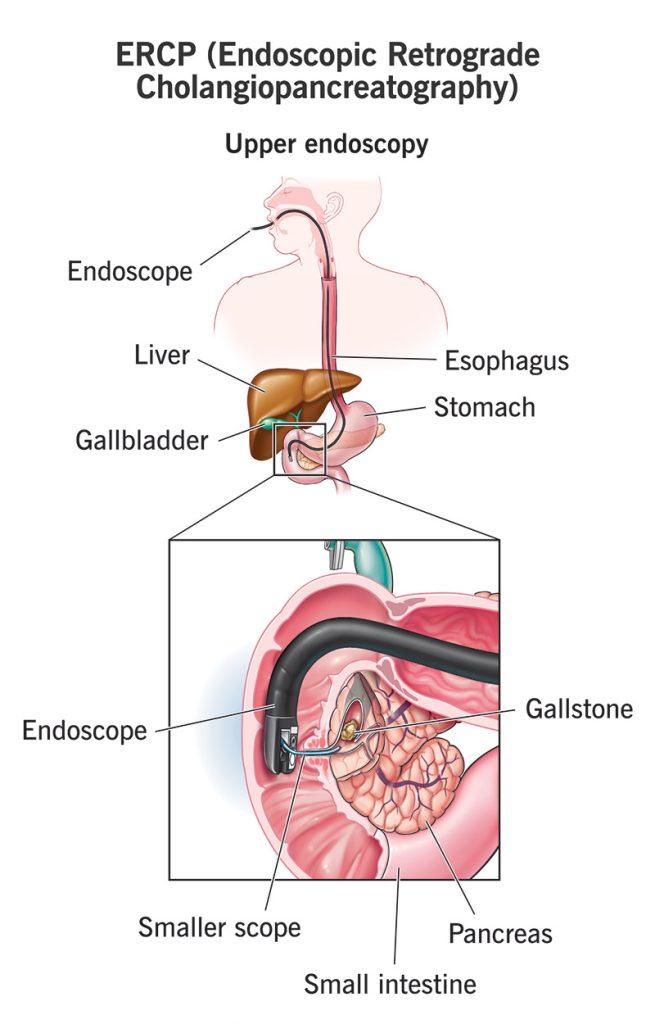
ERCP combines endoscopy and fluoroscopic X-ray imaging. A long, flexible tube called an endoscope, equipped with a camera and light, is passed through the mouth into the digestive tract. Using contrast dye and X-rays, doctors can clearly visualize blockages, stones, strictures, or abnormalities in the bile and pancreatic ducts.
Uses of ERCP Procedure
ERCP is commonly recommended for both diagnosis and treatment of biliary and pancreatic disorders, including:
Diagnosis of diseases affecting the pancreas, bile ducts, gallbladder, and liver
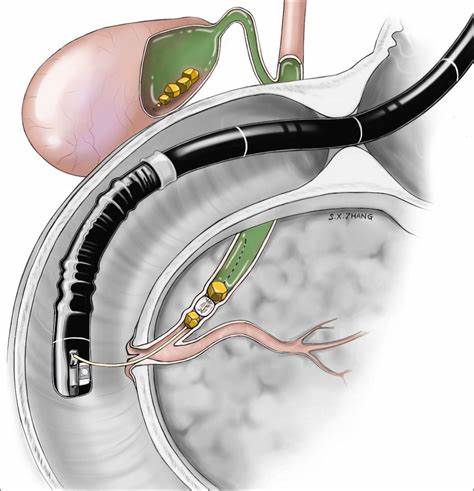
Gallstone removal from the common bile duct (not the gallbladder)
Stent placement for narrowed or blocked bile or pancreatic ducts
Biliary endoscopic sphincterotomy to improve drainage of bile and pancreatic juices
Stent removal for previously placed biliary or pancreatic stents
Relief of jaundice caused by bile duct obstruction
How is an ERCP Procedure Performed?
ERCP may be done as an outpatient procedure or during a hospital stay. The steps typically include:
Removal of jewellery, clothing, or accessories that may interfere with the procedure
Changing into a hospital gown
Placement of an IV line for fluids and medications
Oxygen administration through a nasal tube if needed
Positioning on the stomach or left side on an X-ray table
Application of a local anesthetic spray to numb the throat
Placement of a mouth guard to protect teeth
Insertion of the endoscope through the esophagus, stomach, and duodenum
Injection of contrast dye through a catheter to visualize bile and pancreatic ducts
Multiple X-ray images taken during the procedure
Therapeutic interventions such as stone removal, stent placement, or tissue biopsy if required
Removal of the endoscope after completion
Risks and Complications of ERCP
Although ERCP is generally safe, certain risks may occur. Discuss radiation exposure with your doctor, especially if you are pregnant or have had multiple X-rays.
Possible Complications Include:
Pancreatitis (most common complication)
Infection
Bleeding (especially after sphincterotomy)
Gallbladder inflammation (cholecystitis)
Perforation or tear in the esophagus, stomach, or intestine
Bile leakage (biloma)
Allergic reaction to contrast dye or medications
Warning Signs After ERCP:
Severe abdominal pain
Fever or chills
Vomiting
Blood in stool
Chest or throat pain
Seek medical attention immediately if these symptoms occur.
How to Prepare for an ERCP
Before ERCP, your gastroenterologist will explain the procedure, risks, and benefits. Preparation includes:
Signing a consent form
Fasting (no food or drink) as advised by your doctor
Stopping specific medications (e.g., blood thinners) if instructed
Informing the doctor about allergies, pregnancy, or medical conditions
Taking approved medications with a sip of water if allowed
Arranging transportation home after the procedure