
Neonatal Surgery at Sarkar Hospital, Agra
Have you ever wondered why some newborn babies require surgery within the first few days or even hours after birth? Such procedures are known as neonatal surgery. At Sarkar Hospital, Agra, neonatal surgery is performed to treat critical medical conditions present at birth and to provide life-saving care to newborns.
Neonatal surgery addresses serious congenital and acquired conditions such as heart defects, intestinal blockages, breathing problems, and other abnormalities that can affect a baby’s survival and development.
What Is Neonatal Surgery?
Neonatal surgery is a specialised branch of medicine that focuses on performing surgical procedures on newborn babies, usually within the first 28 days of life. In some cases, surgery may be required within a few hours after birth.
Although the thought of surgery on a newborn can be overwhelming for parents, neonatal surgery often offers the best chance for survival, healthy growth, and long-term wellbeing.
At Sarkar Hospital, neonatal surgeries are carried out by a multidisciplinary team of experienced neonatal surgeons, neonatologists, anaesthesiologists, and specialised nursing staff.
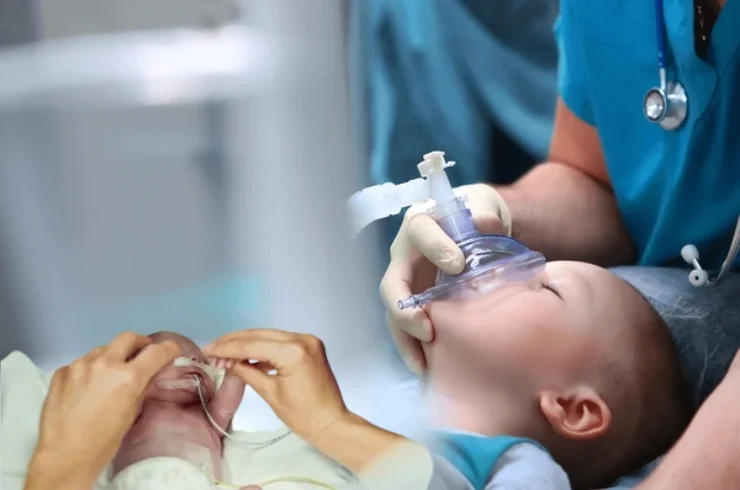
Types of Neonatal Surgery
Neonatal surgery includes a wide range of procedures to correct congenital and early-life conditions. Common types include:
Congenital Diaphragmatic Hernia (CDH) Repair
Surgery to repair a hole in the diaphragm that allows abdominal organs to move into the chest, affecting lung development.
Tracheo-Oesophageal Fistula (TEF) Repair
Corrects an abnormal connection between the windpipe and food pipe, preventing breathing and feeding problems.
Omphalocele & Gastroschisis Repair
Closes abdominal wall defects where organs develop outside the baby’s body.
Pyloromyotomy
Treats narrowing between the stomach and intestine that causes vomiting and dehydration.
Intestinal Atresia Repair
Corrects missing or blocked segments of the intestine to restore digestion.
Malrotation & Volvulus Surgery
Emergency surgery to fix twisted intestines that can cut off blood supply.
Patent Ductus Arteriosus (PDA) Ligation
Closes an abnormal heart vessel that fails to close after birth.
Cleft Lip & Cleft Palate Repair
Improves feeding, speech, and facial appearance.
Neonatal Urological Surgery
Treats urinary tract abnormalities such as blockages present at birth.
Neonatal Oncology Surgery
Removes tumours such as neuroblastoma or teratomas found in newborns.
Vascular Ring Repair
Corrects blood vessel abnormalities compressing the windpipe or food pipe.
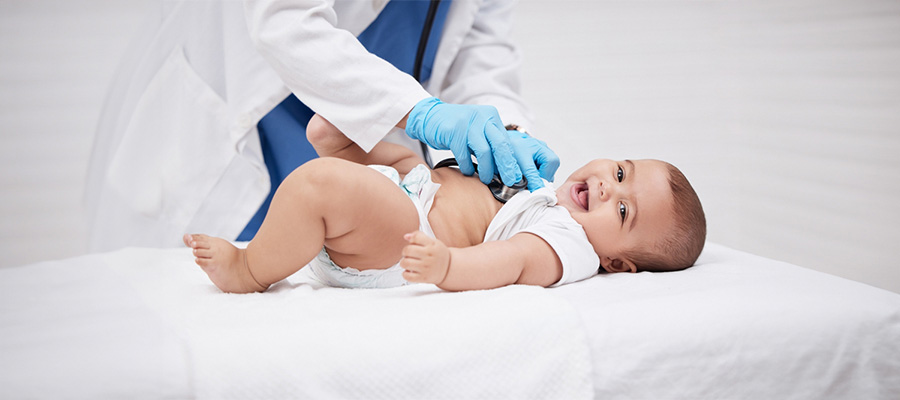
Purpose of Neonatal Surgery
The primary goal of neonatal surgery is to diagnose, correct, and treat conditions that cannot be managed before birth or through medication alone.
Neonatal surgery helps:
Save the baby’s life
Improve breathing, digestion, and circulation
Prevent long-term complications
Support normal growth and development
Improve quality of life
Premature babies may also require neonatal surgery to correct developmental problems affecting the heart, lungs, or digestive system.
Neonatal Surgery Procedure
Each neonatal surgery is customised based on the baby’s condition.
1. Assessment & Diagnosis
Doctors perform detailed examinations using imaging tests, blood tests, and specialist consultations to confirm the need for surgery.
2. Preparation
The baby is stabilised and prepared for surgery. Parents are counselled about the procedure, risks, and expected outcomes.
3. Anaesthesia
Specialised neonatal anaesthesia ensures the baby remains pain-free and stable throughout the procedure.
4. Surgery
The surgeon performs the procedure using either minimally invasive techniques or open surgery, depending on the condition.
5. Recovery
After surgery, the baby is carefully monitored as they recover from anaesthesia.
6. Post-Operative Care
The baby is shifted to the Neonatal Intensive Care Unit (NICU) for advanced monitoring and support.
7. Follow-Up
Regular follow-ups are scheduled to monitor healing, growth, and overall health.