
Ryle’s Tube Insertion & Removal

What is a Ryle’s Tube?
A Ryle’s tube, also known as a nasogastric (NG) tube, is a thin, soft, and flexible tube inserted through the nose, passing down the throat into the stomach. It is commonly used to provide nutrition, administer medications, or remove stomach contents when normal swallowing or digestion is not possible.
Uses of a Ryle’s Tube
At Sarkar Hospital, Ryle’s tube insertion is recommended for patients who require:
Enteral feeding (nutrition delivered directly to the stomach)
Medication administration when oral intake is not possible
Gastric decompression, such as relieving stomach distension or preventing aspiration
Removal of stomach contents in cases of obstruction or severe vomiting
Indications for Ryle’s Tube in Home Care
Ryle’s tube feeding and care may be advised for patients who:
Are unable to swallow safely due to stroke or neurological disorders
Are recovering from major surgery or gastrointestinal illness
Have chronic conditions requiring long-term nutritional support such as
Parkinson’s disease, dementia, or other neurodegenerative disorders
Sarkar Hospital provides expert guidance and trained nursing support for home-based Ryle’s tube care.
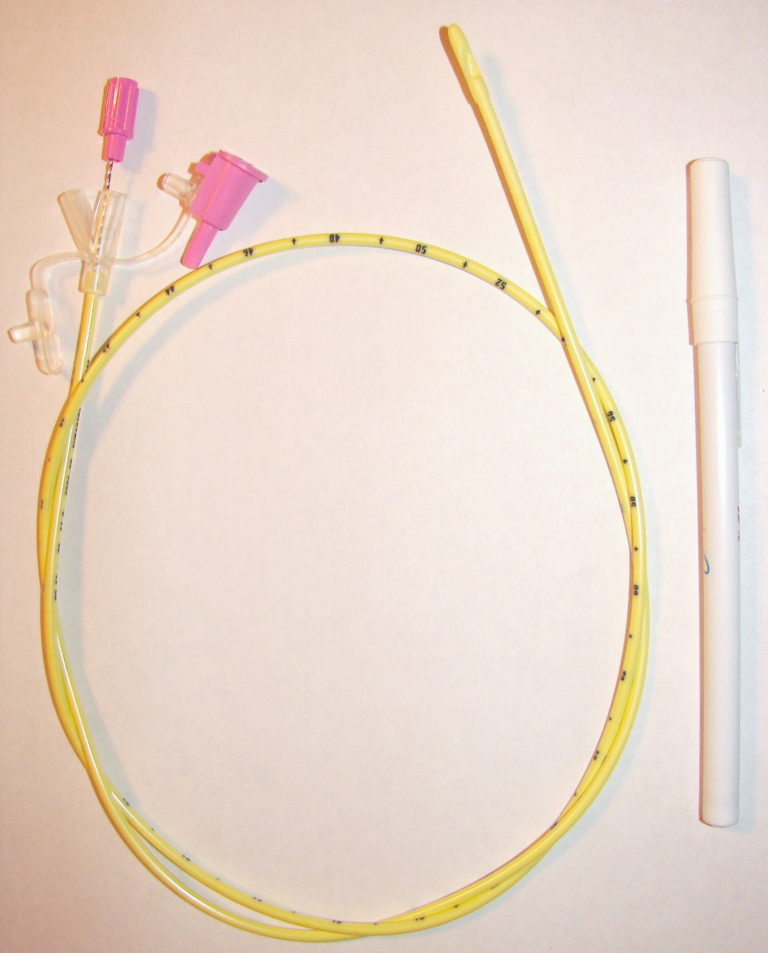
Components of a Ryle’s Tube Set
A standard Ryle’s tube setup includes:
Nasogastric tube (usually 12–16 Fr for adults)
Water-based lubricant
50 mL syringe for flushing or aspiration
Adhesive tape or nasal fixation device
pH indicator strips for placement verification
Gloves, scissors, and stethoscope
Glass of water with a straw (if the patient is conscious)
Ryle’s Tube Insertion Procedure
⚠️ Important: Ryle’s tube insertion should only be performed by a trained doctor or nurse.
Pre-Insertion Preparation
Explain the procedure to the patient to reduce anxiety
Perform hand hygiene and wear sterile gloves
Position the patient in high Fowler’s position (45–90° upright)
Measure the tube length:
From the nose tip to the earlobe, then down to the xiphoid process
Mark the measured length on the tube
Insertion Steps
Lubricate the tube tip with a water-based lubricant
Gently insert the tube through one nostril
Advance slowly along the nasal floor while monitoring patient comfort
Confirm correct placement using pH testing or clinical assessment
Secure the tube properly to prevent displacement
Post-Insertion Care & Monitoring
Ensure proper fixation to avoid accidental removal
Flush the tube as advised to prevent blockage
Maintain cleanliness around the nostril
Monitor for signs of discomfort, coughing, or breathing difficulty
Report any redness, pain, or tube displacement immediately
Ryle’s Tube Care at Sarkar Hospital
At Sarkar Hospital, we ensure:
Skilled and hygienic tube insertion
Patient comfort and safety
Comprehensive education for caregivers
Support for hospital-based and home-care patients
📞 For Ryle’s Tube insertion or home-care support, contact Sarkar Hospital today.