
Diagnostic Services at Sarkar Hospital, Agra
What is an Arterial Blood Gas (ABG) Test?
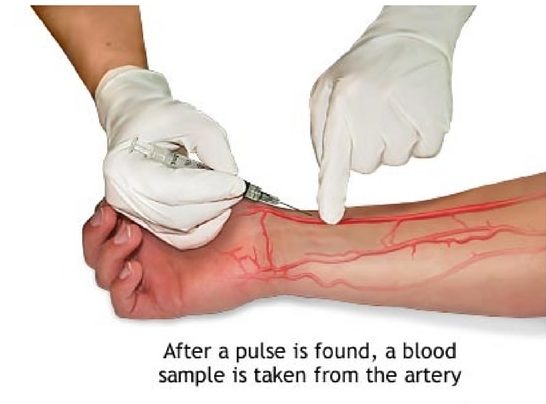
An arterial blood gas (ABG) test is a specialized blood test that measures the levels of oxygen, carbon dioxide and acid–base balance (pH) in your blood. The blood sample is taken from an artery, usually from the wrist, arm or groin.
This test helps doctors understand how well your lungs, heart and metabolism are working. It is especially important in emergency and critical care situations, where rapid and accurate assessment is essential.
At Sarkar Hospital, Agra, ABG testing is performed using advanced equipment to deliver quick and reliable results.
Why is an ABG Test Important?
Your body carefully maintains oxygen and carbon dioxide levels in the blood. Low oxygen levels (hypoxemia) or acid–base imbalance can cause serious harm to vital organs like the brain and heart.
An ABG test helps doctors:
Assess breathing efficiency
Monitor oxygen therapy or ventilator support
Detect life-threatening conditions early
Guide emergency and ICU treatment decisions
When is an ABG Test Performed?
Doctors at Sarkar Hospital may order an ABG test in departments such as:
Emergency Medicine
Intensive Care Unit (ICU)
Anesthesiology
Pulmonology
ABG tests help evaluate conditions such as:
Acute respiratory failure
Asthma attacks
COPD exacerbations
ARDS (Acute Respiratory Distress Syndrome)
Sepsis and septic shock
Diabetic ketoacidosis (DKA)
Heart failure and cardiac arrest
Severe infections and metabolic disorders
Kidney-related acid imbalance
It is also used to monitor treatment effectiveness in chronic lung or heart disease
What Does an ABG Test Measure?
An ABG test typically measures:
Oxygen Content (O₂CT): Amount of oxygen in the blood
Hemoglobin: Protein that carries oxygen in red blood cells
Oxygen Saturation (O₂Sat): Percentage of hemoglobin carrying oxygen
PaO₂ (Partial Pressure of Oxygen): How well oxygen moves from lungs to blood
PaCO₂ (Partial Pressure of Carbon Dioxide): How well carbon dioxide is removed
pH: Acid–base balance of the blood
Bicarbonate (HCO₃⁻): Helps evaluate metabolic function and acid balance
Normal blood pH usually ranges between 7.35 and 7.45.
Who Performs the ABG Test?
At Sarkar Hospital, Agra, ABG samples are usually taken by a trained respiratory therapist or healthcare professional. The sample is immediately analyzed using modern blood gas analyzers to ensure fast results.
What Happens Before an ABG Test?
Before drawing blood:
Your circulation may be checked using an Allen test (for wrist samples)
Oxygen therapy may be briefly paused, if safe to do so
The procedure will be explained to you to ensure comfort
Are There Any Risks?
ABG testing is generally safe. Rare risks include:
Bruising or bleeding
Dizziness or fainting
Hematoma (blood under the skin)
Infection (very rare)
Our experienced team takes all precautions to ensure safety.
What Happens During the ABG Test?
Blood is drawn from an artery (usually the radial artery in the wrist)
The area is cleaned and disinfected
A small needle is inserted to collect the blood sample
Pressure is applied afterward to prevent bleeding
The test may feel more uncomfortable than a normal blood test, as arteries are deeper and more sensitive.
What Happens After the Test?
Mild soreness or bruising at the site is common
You may be advised to avoid heavy lifting for 24 hours
Results are usually available within 10–15 minutes
Advanced Diagnostic Care at Sarkar Hospital, Agra
At Sarkar Hospital, our emergency and critical care teams rely on ABG testing to provide timely, accurate, and life-saving care.
📞 Contact Sarkar Hospital, Agra for emergency services, ICU care, and advanced diagnostics.