
Diagnostic & Therapeutic Colon Care at Sarkar Hospital, Agra
What is Sigmoidoscopy?
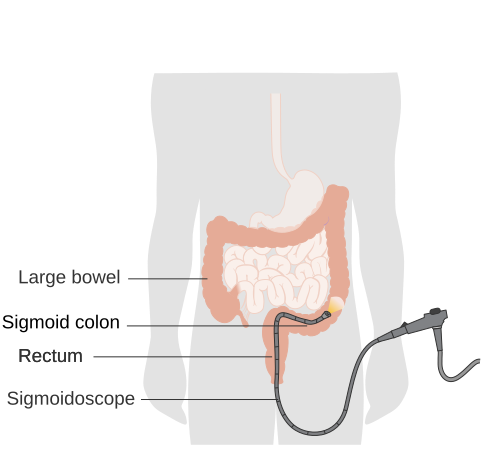
Sigmoidoscopy is a medical procedure used to examine the rectum and sigmoid colon, which is the lower part of the large intestine. The sigmoid colon makes up about one-third of the total colon and is located closest to the rectum.
At Sarkar Hospital, Agra, sigmoidoscopy is performed using a flexible sigmoidoscope—a thin, flexible tube with a light and camera at its tip. This allows doctors to view the inside of the bowel clearly on a video monitor.
How is Sigmoidoscopy Performed?
During the procedure:
-
You will lie on your left side with your knees drawn toward your chest
-
The doctor performs a digital rectal examination using a gloved, lubricated finger to check for blockages and gently dilate the anus
-
The flexible sigmoidoscope is then inserted through the anus and advanced into the rectum and sigmoid colon
-
Air or carbon dioxide is gently introduced to expand the bowel for better visibility (this may cause bloating or the urge to pass gas)
-
High-definition images are displayed on a monitor
-
If needed, the doctor may:
-
Take biopsy samples
-
Remove polyps using special instruments
-
Control bleeding using electrocautery
-
-
The procedure usually takes 10–20 minutes
📌 A rigid sigmoidoscope may be used in selected cases for anal or rectal conditions but is not used for colon cancer screening.
How to Prepare for Sigmoidoscopy
Your doctor at Sarkar Hospital will guide you, but preparation usually includes:
-
Using one or two enemas to empty the bowel (usually 1 hour before the test)
-
Sometimes a liquid laxative the night before
-
You may be asked to:
-
Fast on the morning of the test (except for essential medicines)
-
Follow a clear liquid diet the day before (in some cases)
-
⚠️ Always discuss medicines, especially blood thinners, with your doctor beforehand.
How Will the Test Feel?
During the procedure, you may experience:
-
Mild pressure during the rectal exam or scope insertion
-
A feeling of needing to pass stool
-
Bloating or mild cramping due to air in the colon
After the test, the air passes naturally, and discomfort usually resolves quickly.
👶 Children may receive light sedation if required.
Why is Sigmoidoscopy Done?
Your doctor may recommend sigmoidoscopy to evaluate:
-
Abdominal pain
-
Chronic diarrhea or constipation
-
Changes in bowel habits
-
Blood, mucus, or pus in stool
-
Unexplained weight loss
Normal Results
A normal sigmoidoscopy shows:
-
Healthy lining of the rectum and sigmoid colon
-
Normal color, texture, and size
-
No abnormal growths or inflammation
Uses of Sigmoidoscopy
Sigmoidoscopy can be used to:
-
Detect polyps or tumors
-
Screen for colorectal cancer
-
Take biopsy samples
-
Confirm findings from X-rays or scans
-
Identify sources of rectal bleeding
🩺 Colon Cancer Screening
Adults should begin colorectal cancer screening at age 45. Flexible sigmoidoscopy every 5 years, or every 10 years with yearly stool testing (FIT), is one screening option.
Risks of Sigmoidoscopy
Sigmoidoscopy is a safe procedure. Rare risks include:
-
Minor bleeding (especially after biopsy)
-
Very rare bowel perforation
At Sarkar Hospital, Agra, strict safety protocols are followed to minimize risks.