
Polypectomy At Sarkar Hospital, Agra
What is Polypectomy?
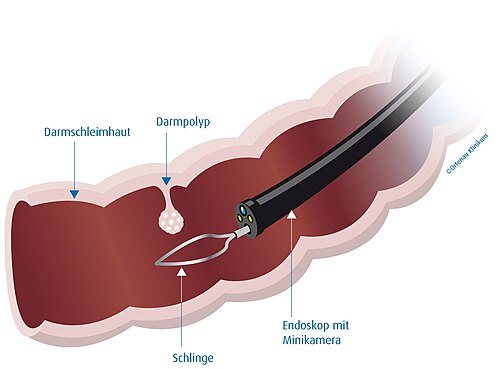
Polypectomy is a minimally invasive medical procedure used to remove polyps, which are abnormal tissue growths that commonly develop in the colon, rectum, stomach, or nasal passages. While many polyps are non-cancerous, some can turn cancerous over time if left untreated.
At Sarkar Hospital, Agra, polypectomy is performed using advanced endoscopic techniques to ensure safe removal, early cancer prevention, and quick recovery.
Why is Polypectomy Done?
Polypectomy is performed to:
Prevent the development of colorectal or gastrointestinal cancer
Treat symptoms like rectal bleeding, abdominal pain, or altered bowel habits
Remove polyps detected during routine screening procedures
Diagnose abnormal tissue through biopsy examination
Indications for Polypectomy
Your doctor may recommend polypectomy if you have:
Polyps detected during colonoscopy or endoscopy
Rectal bleeding or unexplained anemia
Persistent changes in bowel habits
Family history of colorectal cancer or polyps
Genetic conditions such as Familial Adenomatous Polyposis (FAP) or Lynch Syndrome
Long-standing Inflammatory Bowel Disease (Ulcerative Colitis or Crohn’s disease)
Biopsy showing dysplasia (abnormal cell changes)
Types of Polypectomy Performed
At Sarkar Hospital, polypectomy is performed using the most appropriate technique based on the size and location of the polyp:
Snare Polypectomy – For medium to large polyps using a wire loop with cautery
Cold Forceps Polypectomy – For small polyps without electric current
Endoscopic Mucosal Resection (EMR) – For flat or larger polyps
Endoscopic Submucosal Dissection (ESD) – Advanced removal for complex lesions
Transanal Polypectomy – For rectal polyps via the anal route
Contraindications for Polypectomy
Polypectomy may be postponed or avoided in cases of:
Severe heart or lung disease
Bleeding disorders or uncontrolled anticoagulant use
Active gastrointestinal infection
Pregnancy (case-specific evaluation)
Uncontrolled diabetes
Extensive prior abdominal surgery
Lack of patient consent
How to Prepare for Polypectomy?
Before the procedure, patients are advised to:
Discuss medical history and medications with the doctor
Stop blood-thinning medicines if advised
Follow a clear liquid diet before the procedure
Complete proper bowel preparation (laxative or enema)
Undergo necessary blood tests
Arrange transportation post-procedure due to sedation
Polypectomy Procedure – Step by Step
Patient admission and vital assessment
Sedation or anesthesia administration
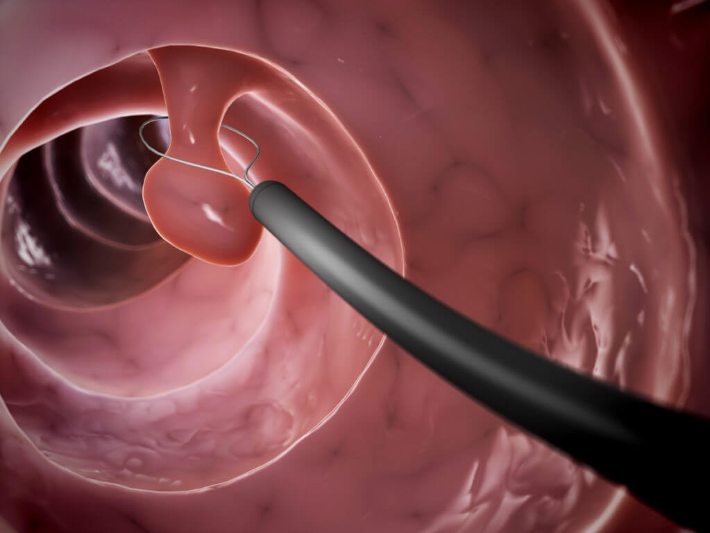
Endoscope insertion through the mouth or rectum
Identification and removal of polyps
Biopsy if required
Post-procedure observation and recovery
Discharge with aftercare instructions
Risks and Complications
Polypectomy is generally safe. Rare risks include:
Mild to severe bleeding
Infection
Bowel perforation (very rare)
Temporary abdominal discomfort
Reaction to anesthesia
Our experienced medical team at Sarkar Hospital ensures strict safety protocols to minimise risks.
Benefits of Polypectomy
Prevents cancer development
Relieves gastrointestinal symptoms
Improves digestive health
Allows early diagnosis and monitoring
Minimally invasive with quick recovery