
Cryopreservation – Freezing and storage
Cryopreservation is the process of freezing biological tissues at extremely low temperatures for future use.
Modern technology now allows the safe and effective preservation of all types of reproductive tissues, including:
Embryos
Blastocysts
Eggs (Oocytes)
Sperms (Semen)
Testicular tissue
Ovarian tissue
The main goal of cryopreservation is to preserve fertility potential by keeping these tissues biologically active and healthy for later use in assisted reproduction.
How Cryopreservation Works
Reproductive tissues are stored in liquid nitrogen at a temperature of –196°C.
At this ultra-low temperature, all cellular activity stops completely, placing the cells in a suspended state of life.
This allows them to remain viable for years or even decades, without any damage to their biological function.
At Sarkar Hospital, Agra, we use advanced vitrification technology — the latest and most reliable freezing method — to ensure excellent survival and pregnancy rates after thawing.
Our Expertise and Global Training
Our fertility team has received specialized training under Dr. Tetsunori Mukaida and the expert team of the Hiroshima HART Institute, Japan.
Dr. Mukaida is one of the pioneers and inventors of the vitrification technique.
This international collaboration has enabled us to bring world-class cryopreservation standards to Agra, ensuring superior outcomes and patient safety.
Techniques
1. The Challenge of Freezing Cells
Human body cells contain a high amount of water.
During freezing, this water can form ice crystals, which may damage cell structure and reduce viability after thawing.
This problem is more significant with larger cells, such as eggs (oocytes) and embryos.
To overcome this, two advanced techniques are used — Vitrification and Slow Freezing.
2. Vitrification (Fast Freezing)
Vitrification is an ultra-rapid freezing process.
The cells are cooled so quickly that ice crystals do not have time to form.
Instead, the cell fluid transforms into a glass-like or jelly-like state, protecting the delicate cell structure.
Benefits of Vitrification:
Excellent survival rate after thawing
High fertilization and implantation success
Preferred for embryos and oocytes due to their large size and sensitivity
This is the preferred technique at Sarkar Hospital for freezing eggs and embryos, ensuring the highest possible success rates in future IVF cycles.
3. Slow Freezing
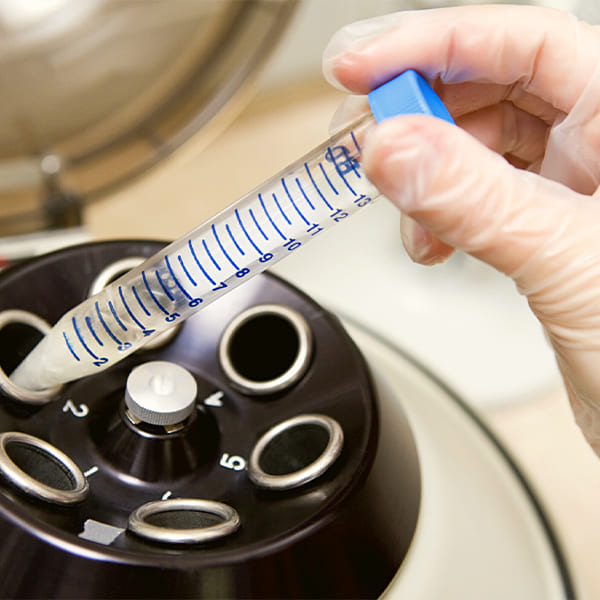
In this method, the tissue temperature is gradually lowered in a programmed, computer-controlled freezer.
It allows the water inside cells to move out slowly, minimizing ice formation.
Preferred for:
Sperm samples
Testicular tissue
Ovarian tissue
Though it takes longer than vitrification, slow freezing is highly effective for these tissue types.
Embryo - Blastocyst Cryopreservation
Cryopreservation technology allows embryos, blastocysts, eggs, and sperms to be frozen safely and used later — without compromising success rates.
Thanks to advanced vitrification techniques, frozen embryos today offer the same chances of pregnancy as fresh embryo transfers.
This means couples can achieve their dream of parenthood without undergoing ovarian stimulation or egg retrieval again, saving both time and cost — a frozen embryo transfer typically costs less than one-third of a fresh IVF cycle.
How Long Can Embryos Be Preserved?
Embryos or blastocysts can be safely stored for up to ten years or even longer without affecting their quality or success potential.
When is Embryo or Blastocyst Cryopreservation Done?
Embryo freezing is recommended in several situations:
When extra embryos are available after a fresh IVF cycle.
When fresh embryo transfer is not possible due to:
Ovarian hyperstimulation (OHSS)
Endometrial or hormonal imbalance
Any other medical condition
When couples want to delay pregnancy but face declining fertility (e.g., women over 35, poor ovarian reserve, before cancer treatment, or ovarian surgery).
As part of repeated IVF failure strategy, to optimize results.
When ERA (Endometrial Receptivity Array) test shows the uterus is not ready for implantation.
For poor ovarian responders, to accumulate embryos from multiple IVF cycles before PGT (Pre-implantation Genetic Testing).
As part of Dual Stimulation (DuoStim) protocols to improve outcomes in patients with low ovarian reserve.
Oocyte cryopreservation – Egg freezing Vitrification
Your Fertility, Your Control
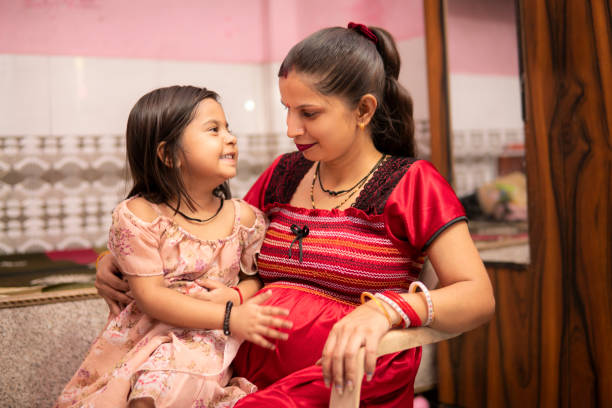
Egg freezing empowers women to preserve their fertility and plan motherhood at their convenience.
For women who wish to delay pregnancy, do not yet have a partner, or prefer not to create embryos, oocyte vitrification is the ideal option.
The goal is to freeze eggs at their healthiest stage, maintaining the same chances of pregnancy later as at the time of freezing.
At Sarkar Hospital, Agra, we use the most advanced vitrification technology to ensure excellent survival and fertilization rates after thawing.
When is Egg Freezing Recommended?
Egg freezing is beneficial for:
Women planning motherhood beyond 35 years of age
Women with reduced ovarian function or irregular cycles who wish to delay pregnancy
Cancer patients before chemotherapy, radiotherapy, or bone marrow transplantation
Non-cancer patients undergoing treatments toxic to the ovaries
Women needing major ovarian or endometriosis surgery that may reduce ovarian reserve
In all these cases, cryopreservation offers a safe and effective way to protect fertility for future use.
Process of Egg Freezing
The process is similar to IVF up to the stage of egg retrieval:
Ovarian Stimulation – Hormonal injections (FSH, HMG) are given to produce multiple eggs.
Egg Retrieval – Once follicles mature, eggs are collected under mild anesthesia using ultrasound guidance.
Assessment & Freezing – Mature eggs are evaluated and then frozen using vitrification, which prevents ice crystal formation.
Storage & Future Use – The eggs can remain frozen indefinitely. When ready for use, they are thawed, fertilized, and the resulting embryos are transferred to the uterus just like standard IVF.
Semen – sperm cryopreservation – semen freezing
Sperm freezing is a simple, safe, and affordable procedure that preserves male fertility effectively.
When is Sperm Freezing Recommended?
When the husband cannot be present on the day of egg retrieval
Men with travel-intensive jobs, military duties, or living abroad
Men who have difficulty producing semen on demand
Before IVF to ensure backup sperm availability
Men with very low sperm count or deteriorating sperm quality
Sperm obtained surgically from testis or epididymis
Cancer patients before chemotherapy or radiotherapy
Non-cancer patients undergoing treatments toxic to sperms
Sperm donation programs, where frozen donor samples are kept ready in ART banks
Using frozen sperm for IVF gives the same success rates as fresh samples. For IUI, a slight reduction in success may occur, but results remain excellent overall.
Scientific Significance of Cryopreservation
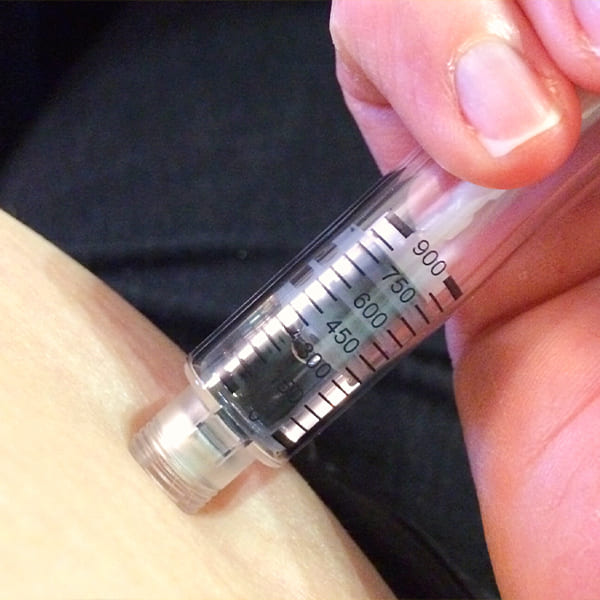
Freezing of eggs, embryos, blastocysts, sperm, and reproductive tissues is now a refined and proven science.
It has revolutionized fertility preservation and improved IVF success rates dramatically by offering flexibility, safety, and control to both patients and doctors.
Cryopreservation at Sarkar Hospital, Agra
At Sarkar Hospital, we are proud to offer a comprehensive and advanced cryopreservation program, ensuring the highest standards of care and safety for every sample.
Our Advantages:
Robust freezing and storage program with international-grade technology
Specialized vitrification techniques for superior survival and pregnancy rates
Highly experienced embryologists trained in Japan’s HART Institute vitrification protocols
Safe, long-term storage at –196°C in liquid nitrogen
Personalized fertility preservation plans for every patient
We are proud to help individuals and couples secure their fertility today for a confident tomorrow.