
Pre - Implantation Genetic Testing - PGT
Advanced Genetic Screening for Healthier Embryos and Improved IVF Success
With the advancement of In Vitro Fertilization (IVF) and genetic testing technologies, it is now possible to perform genetic diagnosis at the embryo stage. This allows fertility specialists to identify genetically normal embryos before pregnancy begins, helping improve success rates and reduce the risk of genetic disorders.
Pre-Implantation Genetic Testing (PGT) involves examining embryos before implantation in the uterus — ensuring only healthy embryos are selected for transfer, resulting in safer and more successful pregnancies.
Why Pre-Implantation Genetic Testing – PGT PGS PGD
1. PGT-A (Pre-implantation Genetic Testing for Aneuploidy)
Also known as PGS – Pre-implantation Genetic Screening
PGT-A screens embryos for chromosomal abnormalities (aneuploidy), which are one of the major causes of IVF failure and miscarriage.
By identifying embryos with the correct number of chromosomes, PGT-A allows selection of genetically normal embryos for transfer.
Benefits of PGT-A:
Improves implantation rates and reduces the risk of miscarriage
Helps prevent Down’s syndrome and other chromosomal disorders associated with advanced maternal age
Recommended for:
Women of advanced age
Recurrent IVF failures
Recurrent pregnancy losses
Severely abnormal sperm parameters
PGT-A offers the fastest route to IVF success, minimizing the time to pregnancy by transferring embryos most likely to result in a healthy pregnancy.
2. PGT-M (Pre-implantation Genetic Testing for Monogenic Disorders)
Also known as PGD – Pre-implantation Genetic Diagnosis
PGT-M is used when one or both parents are carriers of a known genetic mutation. This testing helps prevent the transmission of specific hereditary diseases to the child.
It focuses on monogenic (single-gene) disorders, which occur due to defects in a single gene.
Conditions Detectable Through PGT-M Include:
Beta-Thalassemia
Sickle Cell Disease
Spinal Muscular Atrophy (SMA Type 1)
Haemophilia
Duchenne Muscular Dystrophy (DMD)
If the defective gene responsible for an inherited condition is known, PGT-M can prevent its transmission — allowing couples to have genetically healthy children.
3. PGT-SR (Pre-implantation Genetic Testing for Structural Rearrangements)
PGT-SR is performed when either partner carries chromosomal structural rearrangements such as translocations or inversions.
These rearrangements can increase the risk of genetic abnormalities in embryos, leading to failed implantations or miscarriages.
Benefits of PGT-SR:
Detects and excludes embryos with structural chromosomal abnormalities
Enhances IVF success rates
Reduces the risk of miscarriage and genetic disorders in the baby
HLA matching
Some genetic conditions, such as Thalassemia, can only be permanently cured through a bone marrow transplant or similar advanced treatments.
For a successful bone marrow transplant, a Human Leukocyte Antigen (HLA)–matched donor is required.
Finding a perfectly matched donor is extremely difficult, even among family members. However, for couples who already have an affected child, genetic testing and IVF can offer a unique and life-saving solution — the possibility of conceiving another child who is:
Free from the genetic disease, and
HLA-matched with the affected sibling
Such a child can serve as a potential bone marrow donor, giving the affected sibling a chance for complete recovery.
At Sarkar Hospital, Agra, our advanced Pre-Implantation Genetic Testing (PGT) techniques make this possible — combining compassion, precision, and cutting-edge science to give hope to families affected by inherited conditions.
Process of PGT
The PGT process follows the standard IVF procedure, with an additional step for genetic testing of embryos before transfer.
Step-by-Step Overview:
IVF Procedure:
Eggs are retrieved from the ovaries and fertilized with sperm in the laboratory to form embryos.Embryo Development:
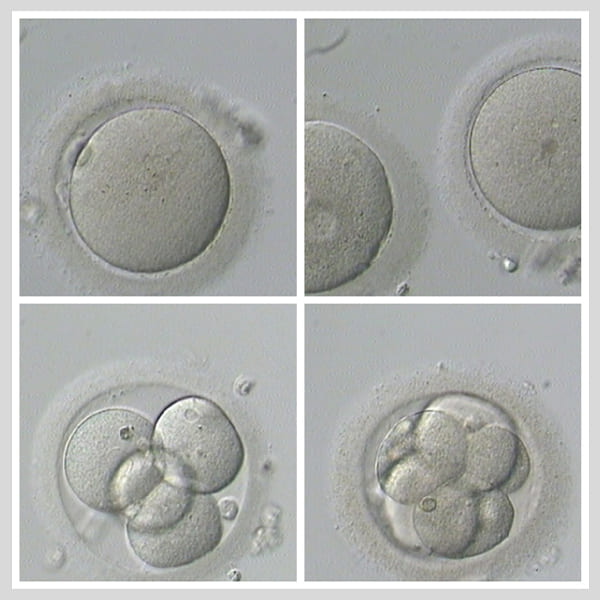
The embryos are cultured and grown to the Day 3 (cleavage stage) or Day 5 (blastocyst stage).Embryo Biopsy:
Using a precise laser, a tiny opening is made in the outer layer (zona pellucida) of the embryo.
Through this opening, a micropipette gently removes one or a few cells for testing.Genetic Analysis:
The collected cells are sent for genetic and chromosomal testing — to identify healthy, disease-free, and/or HLA-matched embryos.Embryo Preservation and Transfer:
The tested embryos are safely cryopreserved (frozen) until results are available.
Once a healthy and compatible embryo is identified, it is selected for embryo transfer into the mother’s uterus.
Note: At this early stage, embryos are totipotent — meaning that removing a few cells does not harm the embryo or affect its ability to develop normally.
PGT and HLA Matching at Sarkar Hospital
At Sarkar Hospital, Agra, we offer advanced PGT services including HLA matching, PGT-A, PGT-M, and PGT-SR.
Our team of fertility specialists, embryologists, and genetic experts work together to:
Identify healthy, genetically normal embryos
Enable disease-free conceptions
Offer hope to families affected by inherited blood disorders like Thalassemia
Support HLA-compatible sibling conception for life-saving transplants
With precision technology and compassionate care, Sarkar Hospital helps families achieve the dual goal of building a healthy family and saving an affected child’s life.